


A Nation Compromised: 2900+ pages from Ahmed Adeeb’s playbook


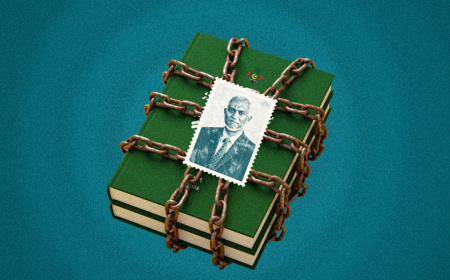
A 2,900+ page forensic report has emerged, exposing the inner workings of one of the most controversial figures in Maldivian politics former Vice President Ahmed Adeeb. The report, which compiles chat logs, contact records, calendar entries, and private photos from Adeeb’s phone, covers just four to five months. Yet within that short window, it paints a damning picture of how power was abused at the highest levels of government. What is laid bare is not just the misconduct of one man, but the capture of an entire state apparatus through corruption, intimidation, and excess.
The logs reveal an unsettling dynamic: politicians, judges, law enforcement officers, and other public figures frequently turning to Adeeb for financial handouts. These were not casual exchanges but desperate pleas for money, for protection, for favors that compromised their independence. Judges entrusted with upholding justice begged Adeeb for financial assistance, undermining the very credibility of the courts. Members of law enforcement reached out not as enforcers of the law but as clients dependent on his patronage. The picture that emerges is one of a political ecosystem where Adeeb sat at the center, feeding off loyalty purchased in cash and favors, while the state’s checks and balances crumbled.
The forensic evidence points to a pattern of grand-scale corruption that extended across the nation. Adeeb was not merely exchanging favors but orchestrating systemic exploitation: islands reportedly sold off under questionable deals, prisoners freed from jail without due process, and courts bent to his will to ensure outcomes favorable to his interests. At the height of his influence, Adeeb appears to have treated the institutions of state as tools for personal gain. The transactions and discussions logged suggest a man who believed the judiciary, the executive, and the legislative branches existed to serve him. For ordinary Maldivians, this meant public trust in governance was betrayed, while national resources were siphoned off into the shadows.
The report also lays bare Adeeb’s direct entanglement with crime and violence. Conversations include offhand remarks about journalist Ahmed Rilwan’s disappearance, spoken about with a callousness that trivializes a national tragedy. Plans to set fire to the Auditor General’s Office highlight the lengths he was willing to go to erase accountability. The documents also detail how death threats were sent to rival politicians, showing that intimidation was a deliberate strategy of control. Perhaps most alarming is the evidence of Adeeb’s deep connections with criminal gangs. These were not simply alliances of convenience; the forensic data suggests Adeeb held command over gang leaders, turning them into enforcers of his political will. With the machinery of the state on one side and the muscle of gangs on the other, Adeeb’s influence extended across both formal and informal spheres of power.

The most disturbing revelations involve Adeeb’s personal indulgences funded by public money. The forensic files point to a man who weaponized state resources for womanizing, sex parties, and pornography. Even more troubling are allegations of pimping underage girls, a crime that speaks to the depths of exploitation enabled by unchecked power. Photos and chat records suggest a lifestyle of reckless excess, where governance and responsibility were abandoned in favor of self-gratification. For a country where public funds are scarce and accountability is demanded from ordinary citizens, the idea of a vice president diverting those same funds to bankroll such a lifestyle is both enraging and heartbreaking.
It is critical to remember that the forensic report captures just four to five months of Adeeb’s activities. If nearly 3,000 pages of evidence could be compiled in such a short span, it raises unsettling questions about the years before and after.
How much more lies hidden islands transferred, money laundered, people silenced, and institutions captured? The report provides only a glimpse into the rot, but it is enough to illustrate the scale of the problem. Adeeb was not operating in isolation; he thrived in a system that allowed, enabled, and even encouraged such behavior.
This is more than the story of a disgraced politician. It is a reflection of how fragile institutions can become when money, fear, and loyalty take precedence over transparency, justice, and accountability. The forensic archive is both a historical record and a warning: if unchecked power can corrode the system this deeply in a matter of months, then the fight for integrity in governance is not only necessary but urgent.












What's Your Reaction?