


Why Fayyaz Ismail Is Gaining Political Capital After the Nasheed-Solih Meeting

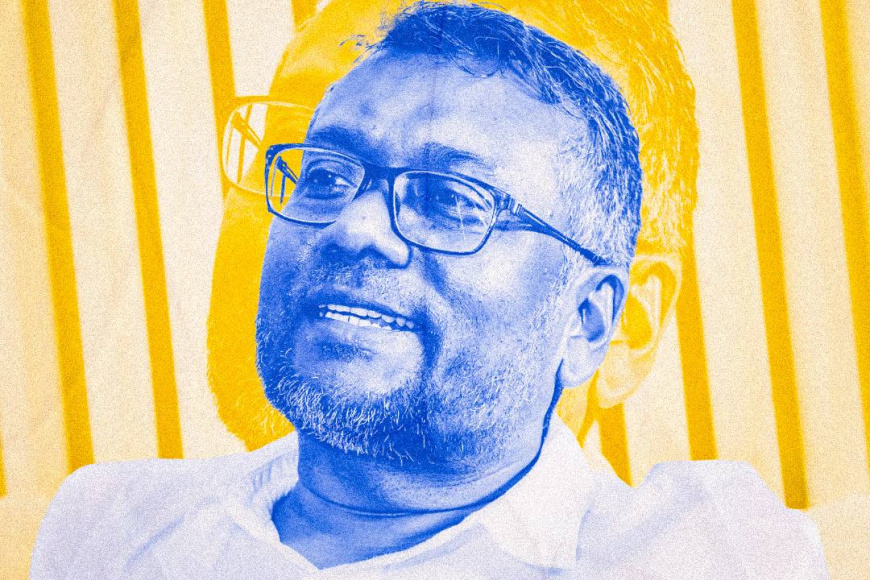
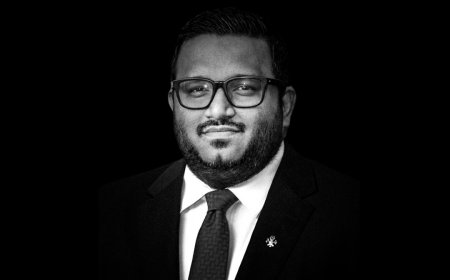
The recent meeting between former presidents Mohamed Nasheed and Ibrahim Mohamed Solih has not only underscored a potential easing of long-standing factional tensions within the Maldivian Democratic Party (MDP), but has brought renewed attention to the political stewardship of former party Chairperson Fayyaz Ismail. Across social media and party circles, there has been a noticeable uptick in commentary crediting Fayyaz with helping facilitate dialogue and continuity within the party, a recognition rooted not only in the current moment but in a series of critical actions he undertook throughout the party’s recent tumultuous history.
Congratulations @faya_i - few know it, and believe in it, but this is your hard work. Working together is better than with hostility. Much can be achieved. https://t.co/ABSk7mWEaU — Visham (@vichalhey) December 24, 2025
Fayyaz’s role in internal party negotiations dates back to his election as MDP chairperson in May 2022, when he emerged as a consensus leader during a period of mounting internal strain. Under his chairmanship, the party faced one of its most defining challenges: reconciling differences between Nasheed and Solih, two of the party’s most influential figures. During the 2022 MDP Congress, Fayyaz led efforts to bring both leaders to the same table, resulting in a successful congress that helped avert an immediate leadership rupture and reinforced institutional governance at a fraught moment.
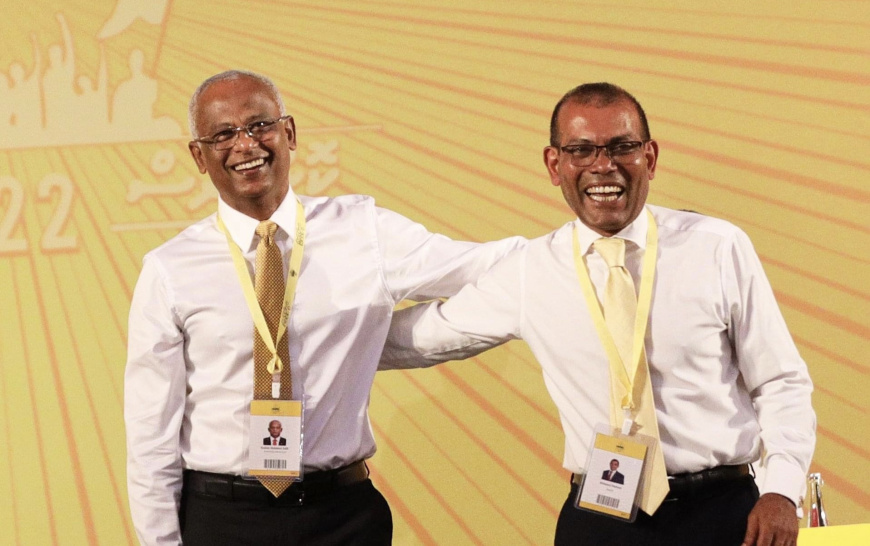
The tensions deepened in 2023 when Nasheed, following his loss in the MDP presidential primary, left the party and launched a breakaway movement, The Democrats. Throughout that period, Fayyaz repeatedly emphasised openness to cooperation, including advocating for collaboration between MDP and The Democrats as a strategic alternative to entrenched divisions, a stance he reaffirmed publicly in 2025.
When The Democrats ultimately dissolved and a resolution passed in mid-2025 for Nasheed and many of his closest associates to rejoin the MDP, Fayyaz was pivotal in publicly welcoming the reunification. He stressed that the party stood ready to “sincerely and wholeheartedly” embrace returning members, framing their re-entry as essential to a reinvigorated opposition capable of contesting upcoming elections.
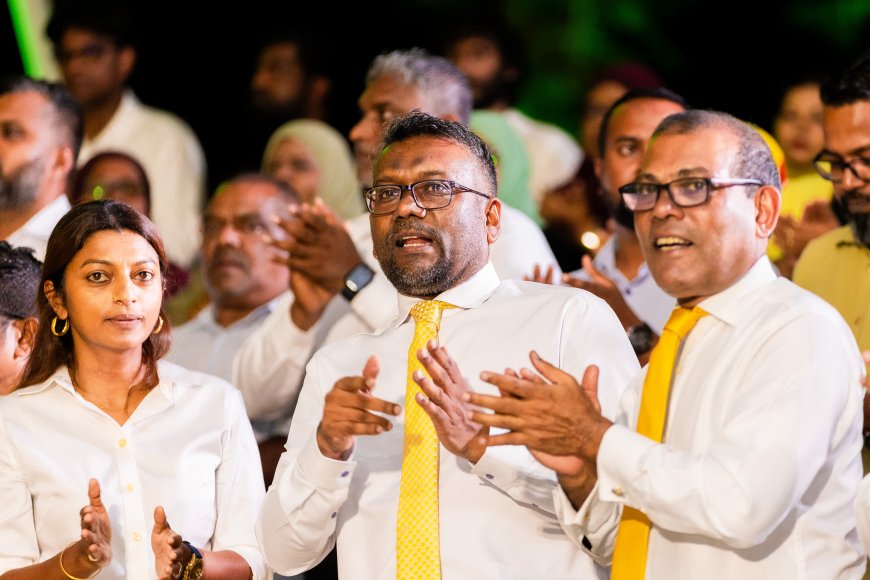
Social media reactions following this sequence of events illustrate how many within the party base now view Fayyaz’s contributions. Posts applauded his perseverance in keeping dialogue alive even when public narratives focused on factional animosity, with some users describing him as a “bridge-builder” whose willingness to engage across divides helped prevent permanent fracture. For many commentators, the reunification of MDP and The Democrats, and the subsequent Nasheed–Solih meeting is seen as validation of Fayyaz’s strategic approach, which prioritised institutional unity over short-term factional advantage.
Thank you for your patience, perseverance, and belief in unity when it mattered most. Your tireless efforts to bring leaders together have not gone unnoticed. This is a positive step for the party and for our democracy. Wishing you strength and continued success ahead. — Mazin 🇲🇻 (@Mazin__Mohamed) December 24, 2025
This online praise coexists with a broader trend: as the opposition realises the limits of personality-driven politics, there is growing appreciation for organisational leadership and steady negotiation. In this light, Fayyaz’s long-form engagement, from the 2022 congress to five rounds of talks with Nasheed’s faction aimed at averting party splits, and then steering the reintegration process is being reframed as a form of political capital built over time.
Yet this rising narrative also reflects expectations. With the MDP now eyeing both internal reform and electoral preparation, the party base expects leaders who can not only broker peace but also translate unity into coherent strategy and results. Fayyaz’s current prominence suggests his influence may extend to shaping candidate selection, campaign direction, and broader party positioning in the coming years.
Whether this moment marks a lasting shift in internal power dynamics hinges on future outcomes. If the displayed unity manifests in organisational gains and electoral resilience, Fayyaz’s legacy as a unifier could be solidified. If fragmentation resurfaces, the praise and the political capital it reflects could prove more fleeting.
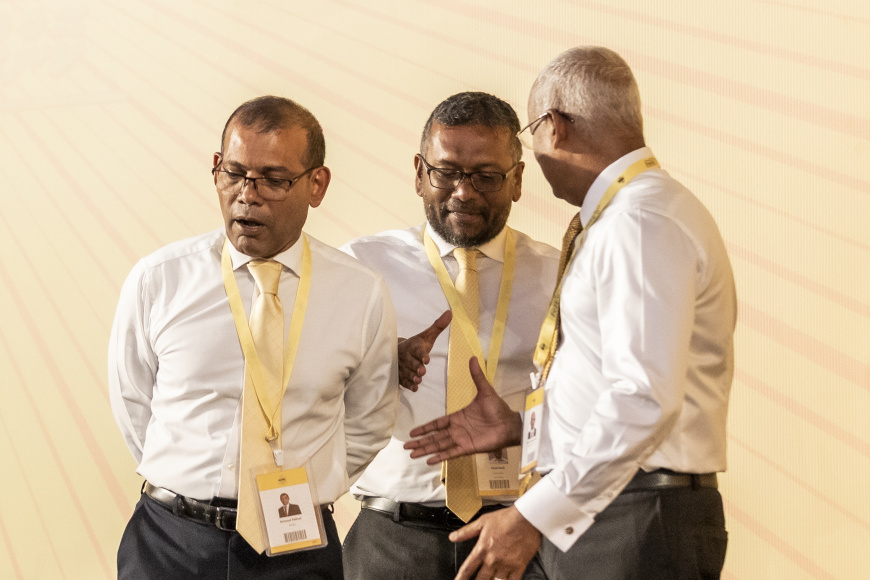
For now, however, the combination of recent leadership actions and grassroots sentiment highlights a deepened recognition of Fayyaz Ismail’s role in navigating one of the most complex periods in the MDP’s modern history.





What's Your Reaction?