


Thinking Out Loud: “If justice is delayed, is it justice at all?”

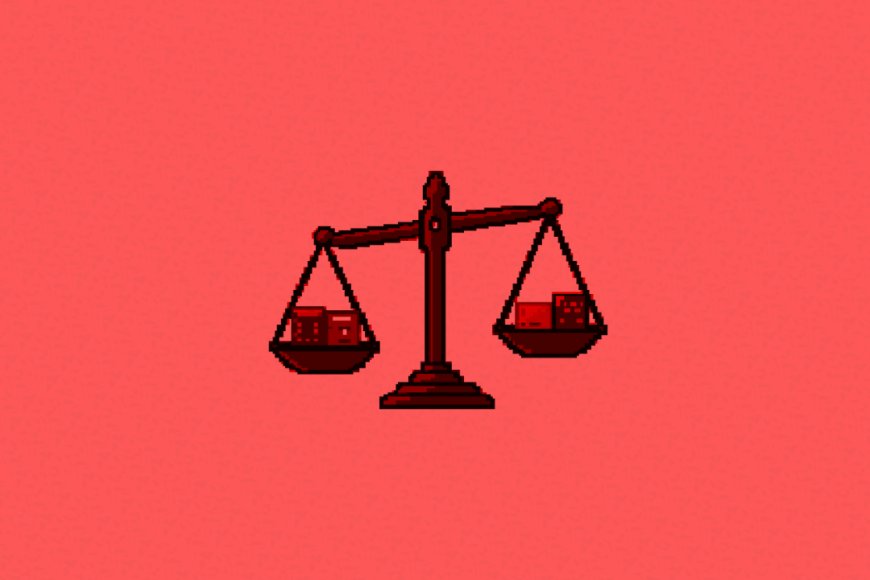
In Plato’s Republic, Socrates famously asks “What is justice?” and explores whether justice is merely the interest of the stronger or something deeper and more virtuous. South Asia’s historical journey with justice, especially the Maldives’ can be read as a real-world dialectic on this question. Justice, to be true, must be timely and fair, not arbitrary or endlessly postponed. When we look at a 90-year-old man in India being hand-held into court to receive a verdict for a crime of his youth, we instinctively feel that something is off, the form of law is there, but the substance of justice is not . When we see a Maldivian mother weep because her son’s killers remain free years later despite promises, we confront the moral truth behind the legal maxim that “justice delayed is justice denied.”

Let us imagine a dialogue in the spirit of Plato: A young Maldivian asks an elder, “Is justice just the punishment of wrongdoers?” The elder, having witnessed decades of turmoil, responds, “Justice is also the righting of wrongs in the right way and at the right time. If you punish the wrongdoer only after the harm is irreversible and forgotten, is that truly righting the wrong?” The youth persists, “But if the process is lawful, does it not count as justice?” The elder shakes his head, “Law is essential, my child, but law alone is not enough. Justice lives in the spirit, in delivering truth and restoration when it matters. A delayed verdict that brings no relief to the victims is an empty form. Justice denied for years can break the social contract, as people lose faith that wrongs will ever be corrected.” In the Maldives and across South Asia, many have lost such faith at times, yet the very act of questioning and striving indicates hope.
History teaches that delays and denials of justice have consequences: they can fuel cycles of resentment, embolden the powerful to act with impunity, and leave the marginalized in despair. Conversely, every step towards timely and impartial justice, be it clearing a backlog, compensating an innocent prisoner, or telling a truth long suppressed has the power to heal and strengthen society’s moral fabric. The region’s colonial past and authoritarian interludes cast long shadows, but the ongoing movements for democratic reform and accountability are attempts to let in light. In the Maldives, the push for judicial independence and transitional justice shows a desire to finally reckon with past injustices, closing chapters that remained painfully open. In India, public interest litigations and digital case management systems strive to accelerate the wheels of the law. In Sri Lanka and Bangladesh, civil society and international observers keep the spotlight on war crimes and human rights, insisting that justice deferred must not become justice abandoned.
In true dialectical fashion, we see a thesis (the ideal of justice), an antithesis (the reality of delays and denial), and a struggle for a synthesis (reforms and reflections to improve justice). The conversation is ongoing. As Plato might counsel, the measure of a just society is not that it never stumbles, but that it knows to ask: “How shall we set right what is wrong?” South Asia’s history of justice, with its triumphant progress and tragic regressions, ultimately tells a story of peoples continually posing that very question. And with each era of asking, the hope endures that the answer will come a little closer to true justice, delivered not too late, and denied no more.











What's Your Reaction?