


Inside the Power Struggle That Forced Fayyaz Out of the MDP Chair
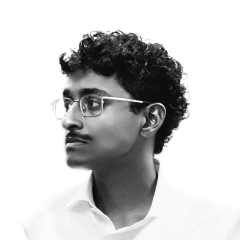
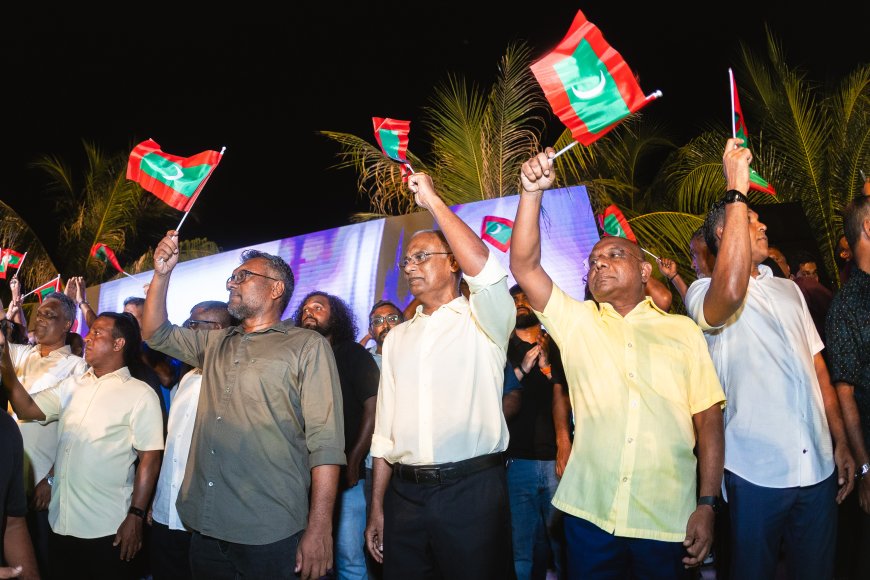
The resignation of Maldivian Democratic Party (MDP) Chairperson Fayyaz Ismail marks one of the most significant political developments of recent years. What appeared to be a routine leadership change is, in truth, the culmination of chronic internal fractures, competing ambitions and a political organisation struggling to reconcile with its own identity. Behind the formal resignation letter lies a story of intense pressure, factional warfare and a chairperson caught in the crossfire of a divided movement.
When Fayyaz assumed the chairmanship in May 2022, the MDP was already navigating turbulent waters. Rival power centres aligned with former President Ibrahim Mohamed Solih and former Speaker Mohamed Nasheed were pulling the party in competing directions, each seeking to shape its future in their own image. Fayyaz entered with a vision of institutional reform, a party think-tank, leadership academies and youth engagement programmes, but such long-term initiatives stood little chance in an environment dominated by unresolved internal conflict. The party’s leadership was consumed by internal distrust, leaving no room for structural change.
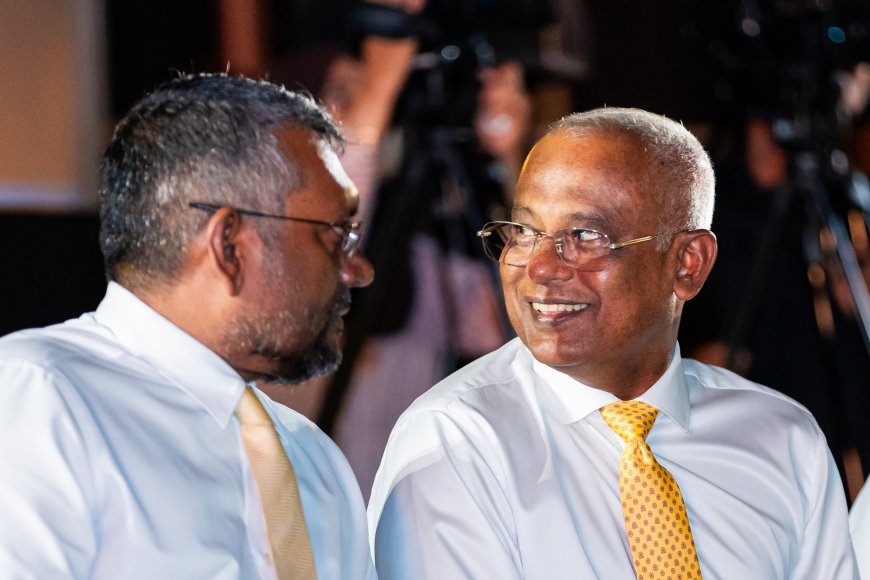
The situation deteriorated sharply during the 2023 presidential primary, which proved to be the most divisive internal battle in the party’s history. The once-solid partnership between Solih and Nasheed collapsed into a highly polarised contest. For months, Fayyaz acted as an intermediary, attempting to negotiate peace between the camps. Meetings were held discreetly at Parliament House, compromises were drafted, and appeals for unity were repeatedly made. Yet the mistrust between the two factions ran too deep. The primary left emotional and organisational damage that the party never recovered from, and the MDP ultimately faced a crushing defeat in the national election.
As the party moved into opposition, leadership tensions intensified. Senior figures clashed frequently with Fayyaz over strategy and authority. At the same time, the shadow of the 2028 presidential race began to loom over internal politics. Fayyaz had openly expressed his intention to contest the party’s ticket, and this declaration reshaped the internal dynamics. Some leaders believed the chairmanship gave him an unfair advantage. Others questioned his neutrality.
The turning point came when certain leaders felt they lacked the authority they needed, a perception directed toward Fayyaz even though he had not restricted their roles and had worked consistently to keep decision-making open and inclusive. In his resignation letter, Fayyaz acknowledged this view directly, saying he did not wish to be seen as an obstacle. He accepted that his presidential ambitions made it increasingly difficult to function impartially, and stepping aside was the only responsible course of action to prevent further deterioration of party unity.
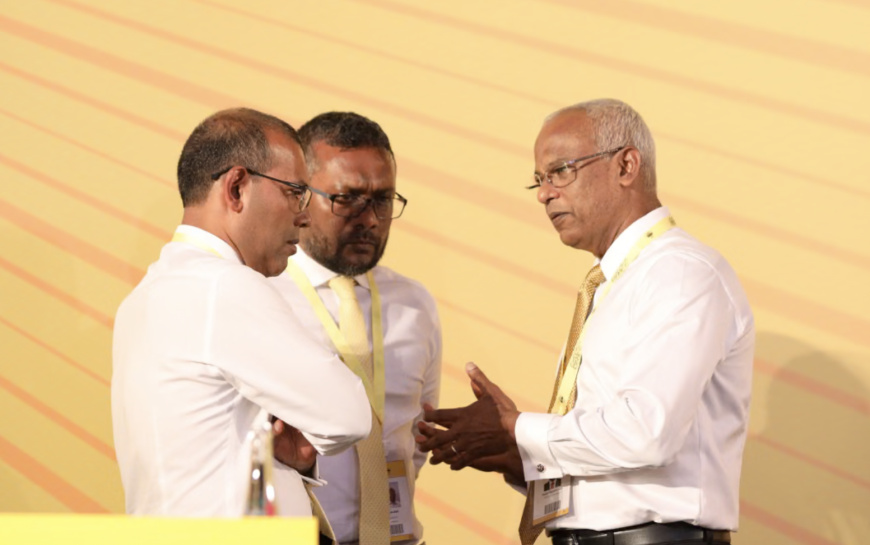
Public reactions to his resignation painted a portrait of grace and dignity. Mohamed Nasheed praised Fayyaz for his decades of service and resilience. Ibrahim Mohamed Solih thanked him for guiding the party through both governing and opposition roles. But behind the polished remarks, insiders say factions within the MDP breathed a collective sigh of relief. His departure removed a central point of contention and opened the door for renewed internal manoeuvring ahead of the next leadership cycle.
MDP ufeydhuneehsuren party ah Fayyaz Ismail e vanee nuhanu gina guna khidumaiy kohdhehvaafa. Party ge masahkathugai fahathah jehivadai nugen, jalah vadainnavaan jehunu vaguthu jehilunvumeh nethi jalah ves vadainnevi. Party aai eku @faya_i ah ithuru kaamiyaabah edhen. — Mohamed Nasheed (@MohamedNasheed) November 23, 2025
With his exit, the MDP stands at a crossroads. The absence of a clear successor leaves space for an intense power struggle, and unresolved grievances from past conflicts threaten to resurface. The party’s ability to reorganise and restore coherence will determine whether it can reclaim its position as a dominant political force or whether it continues to unravel under the weight of its own divisions.
In the end, Fayyaz Ismail’s resignation is more than the conclusion of a chairmanship. It is a reflection of a political party confronting the consequences of years of internal battles, shifting loyalties and competing visions for the future. For Fayyaz, stepping down may be both an act of integrity and a strategic recalibration as he eyes the road to 2028. For the MDP, it is a warning: a movement once defined by unity and purpose must now rediscover its core or risk losing its relevance in the changing political landscape of the Maldives.




What's Your Reaction?