


OPINION: A Government Silencing the Truth

On World Press Freedom Day, the Maldives is confronted with a sobering reality. The country has slipped further in the global press freedom rankings compiled by Reporters Without Borders, continuing a downward trend that reflects more than perception. It signals a steady deterioration in the space for independent journalism.
Laws That Reshape the Media Landscape
The administration of Mohamed Muizzu has championed a Media Control Bill, passed in Parliament under the banner of reform. In practice, it grants sweeping powers to regulate, penalize, and potentially silence media outlets.
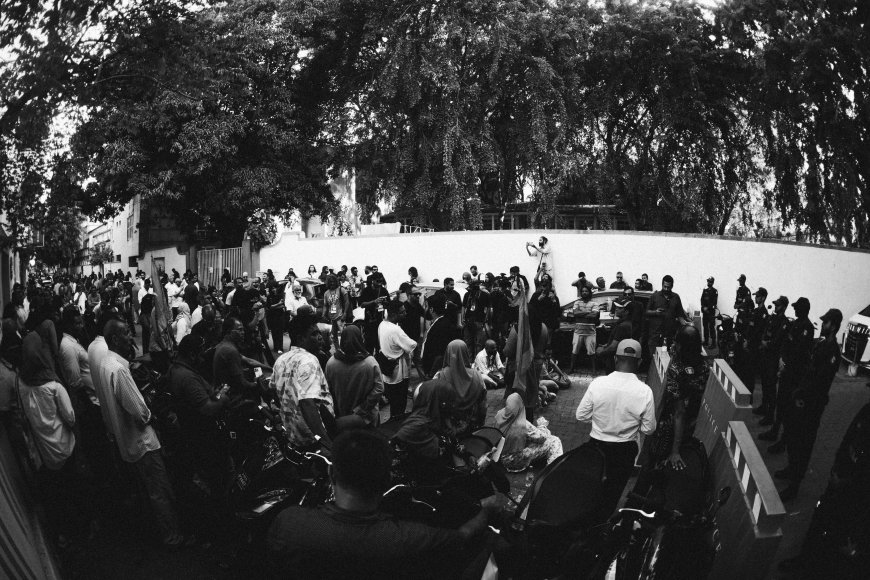
In a system where regulatory independence is questionable, such authority risks becoming a political tool. Rather than strengthening journalism, the law places it under constant threat of state intervention.
When Reporting Triggers Raids
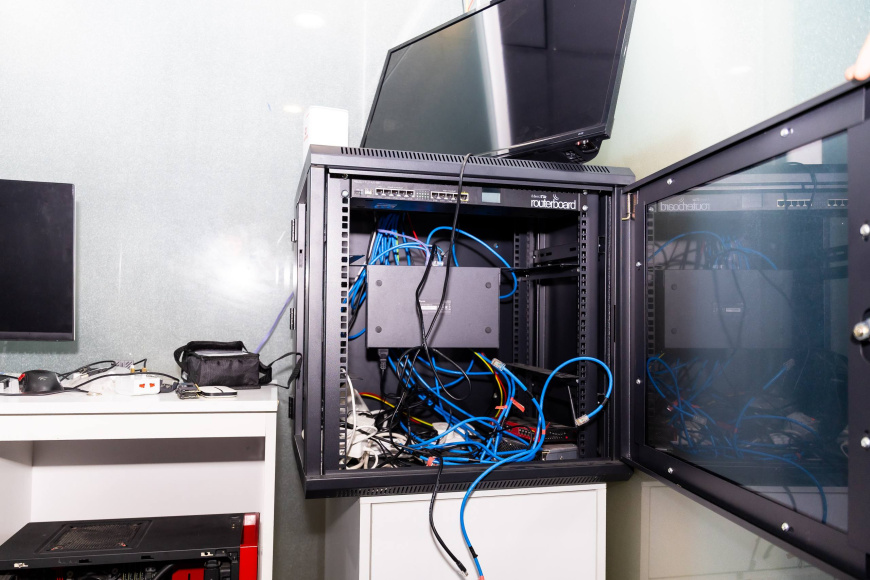
That risk became reality with the recent police raid on Adhadhu. The operation followed the outlet’s publication of sensitive content, turning a newsroom into a target of law enforcement. Equipment seizures and interrogations of journalists sent a clear message: critical reporting can invite direct state action.
A Shrinking Space for Journalism
These developments are not isolated. Together, they create a climate where intimidation shapes editorial decisions. Journalists are forced to weigh public interest against personal and institutional risk. The decline in rankings mirrors this reality—a media environment where pressure, rather than principle, increasingly defines what can be reported.
A Test of Democratic Commitment
Governments often justify such actions as necessary oversight. But when laws restrict, and enforcement intimidates, the line between governance and suppression is crossed. A free press exists to challenge power, not accommodate it.
The Maldives now faces a defining choice: uphold the principles of accountability it once embraced, or continue down a path where dissent is constrained and journalism curtailed.












What's Your Reaction?