


COLUMN: Women’s Work in the Maldives Is Still Unequal
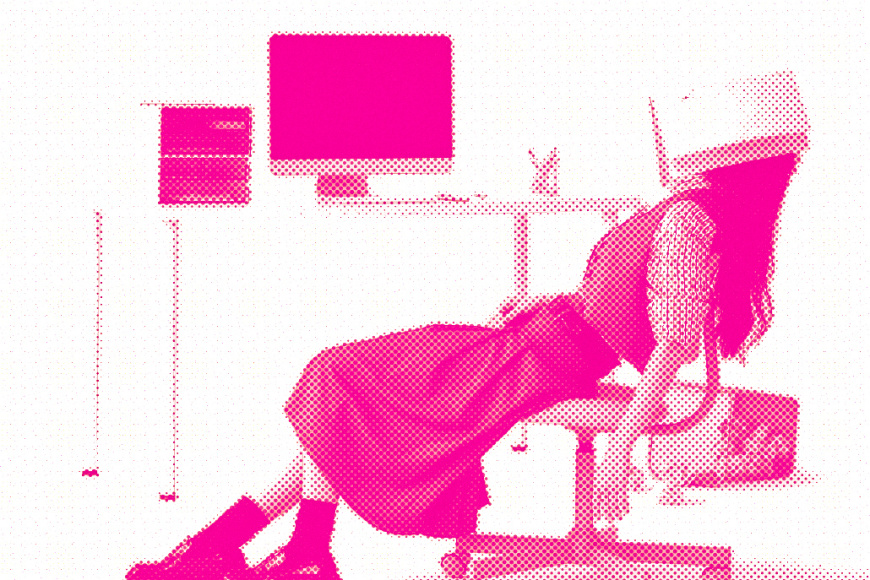
In the Maldives, the conversation around women and work is often reduced to employment numbers. But the real issue goes deeper. It is not only about how many women are in the workforce. It is also about what women face once they enter it.
Official data shows a persistent gender gap in employment. The World Bank’s Gender Data Portal reports that female labour force participation in the Maldives stands at 40.7%, compared with 76.4% for men. Statistics Maldives’ Labour Force Survey for the third quarter of 2025 likewise found a sharp employment gap among Maldivians, with an employment ratio of 49.3% for women and 77.0% for men.
These figures alone tell an important story: women remain significantly underrepresented in paid work. But numbers on participation do not fully capture the daily pressures, biases, and hostility that can shape women’s working lives.
A survey conducted for this article among 1,000 working women suggests those barriers are not only structural, but deeply personal. According to the survey, 8 in 10 respondents reported bullying, harassment, or unwanted sexual advances from senior men in positions of power. 7 in 10 said successful women are often undermined through jealousy, rumors, or assumptions that their advancement came from appearance rather than merit. All respondents said they feel their clothing or appearance is judged at work, while 9 in 10 said men are more easily trusted, recognized, or promoted even when women perform equally or better.
Taken together, those findings point to a workplace culture that many women experience as unequal long after they are hired. The challenge is not only access to work. It is dignity, safety, recognition, and the right to be evaluated fairly.
That reality becomes even harder when combined with the unequal burden women carry outside the workplace. Statistics Maldives has reported that women spend far more time than men on unpaid care and domestic work. One official release noted that women spend more than half of their weekly time on unpaid care activities such as cooking, cleaning, and caring for children and family, and described the gender gap in unpaid care work as a major inequality in Maldivian society. Broader international reporting on Maldives has echoed that unpaid care remains one of the greatest barriers to women’s equal participation in the economy.
This means many women are carrying a double burden: unequal expectations at home and unequal treatment at work. Even before promotion, leadership, or pay are discussed, many are already navigating a system that demands more from them while giving them less room to succeed.
There are also wider signs that gender inequality remains embedded in the country’s social and economic structures. UN Women’s Maldives profile notes that progress on gender equality remains incomplete, while UNDP Maldives highlights continued labour-force disparity and women’s concentration in more informal forms of employment.
The workplace gender issue in the Maldives should therefore not be framed only as a matter of employment access. It is also about workplace culture, power, and the conditions under which women are expected to build careers. A country cannot claim meaningful progress while women remain less likely to enter paid work, more likely to shoulder unpaid labour, and more likely to report being judged, undermined, or unsafe once employed.
If this gap is to close, awareness must move beyond slogans. It must confront the systems, behaviors, and assumptions that continue to make work harder for women than it should be.
Survey note: The survey findings cited above are based on responses collected from 1,000 working women for this article. They reflect respondent experiences and perceptions and are presented as survey-based findings, not as official national statistics.






What's Your Reaction?