


Convenience Undermines Confidence: Rethinking E-Voting

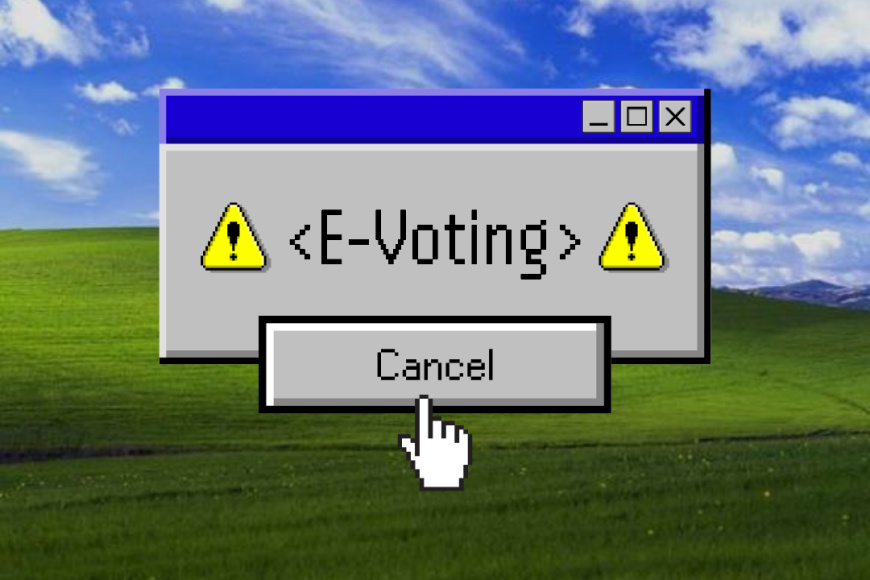
Electronic voting (e-voting) including internet and machine-based ballot systems might seem like a modern way to make elections faster and more convenient. However, credible research, expert analyses, and real-world experience show that these systems pose significant risks to election security, transparency, and democratic legitimacy. Because elections are a cornerstone of democracy, these risks provide strong reasons to discontinue e-voting in favor of more secure, verifiable alternatives like paper-based voting with robust audits.
A major concern with e-voting is security vulnerability. Academic studies of electronic voting systems consistently find that software and protocols can be compromised, allowing manipulation of ballots, privacy violations, and broken verification mechanisms. For example, an independent security analysis of the iVote online voting system used in the 2015 New South Wales elections uncovered severe flaws that could have allowed votes to be altered without detection and in elections decided by narrow margins, even small attacks could change outcomes. Research reviews also highlight broad classes of vulnerabilities in electronic voting technologies, noting that integrity and security features are often incomplete or impractical to implement at scale.
In addition to cybersecurity risks, e-voting often lacks transparency and verifiability. Many systems do not provide voters or independent observers with a way to confirm that votes were accurately recorded and counted. Technical research into online voting shows that providers frequently do not offer mechanisms for voters to verify that their individual vote was included in the final tally correctly, meaning trust depends largely on faith in proprietary software rather than open auditability. Without verifiable records, recounts or independent checks crucial safeguards in contested elections are effectively impossible.
Real-world responses to these concerns illustrate why many jurisdictions have abandoned or restricted e-voting. For instance, the UK government cancelled planned internet voting pilots after security experts reported serious weaknesses in proposed systems. Similarly, some countries have discontinued e-voting trials due to security and turnout concerns. These decisions reflect broader caution among election authorities: when security and trust are at stake, convenience alone is not sufficient justification for continuing e-voting.
Another problem is that electronic systems are susceptible to both technical failures and cyberattacks that can disrupt voting access or compromise results. National reports on election integrity note that electronic systems can be targeted by malicious denial-of-service attacks, manipulated registration databases, or corrupt device firmware all of which can undermine voter participation and election outcomes. In addition, remote internet voting raises privacy concerns and may open the door to large-scale interference if a single vulnerability is exploited.
Finally, maintaining public trust in elections is essential; however, e-voting often erodes confidence because of its complexity and opacity to ordinary voters. Expert reviews on internet voting stress that even when systems are designed with good intentions, the average voter cannot independently assess whether the process was secure or accurate. When trust in election integrity weakens, democratic legitimacy suffers. A reliable electoral process should provide transparent, auditable proof that each vote was recorded and counted as intended.
For these reasons documented security flaws, lack of verifiability, examples of cancelled projects, real risks of cyberattack, and threats to public confidence there is a strong basis for cancelling widespread use of e-voting in public elections. Instead, jurisdictions should focus on secure, auditable voting methods that protect election integrity and reinforce public trust in democratic outcomes.













What's Your Reaction?