


Broken Promises: How MoHE Bureaucracy Is Derailing Maldivian Students

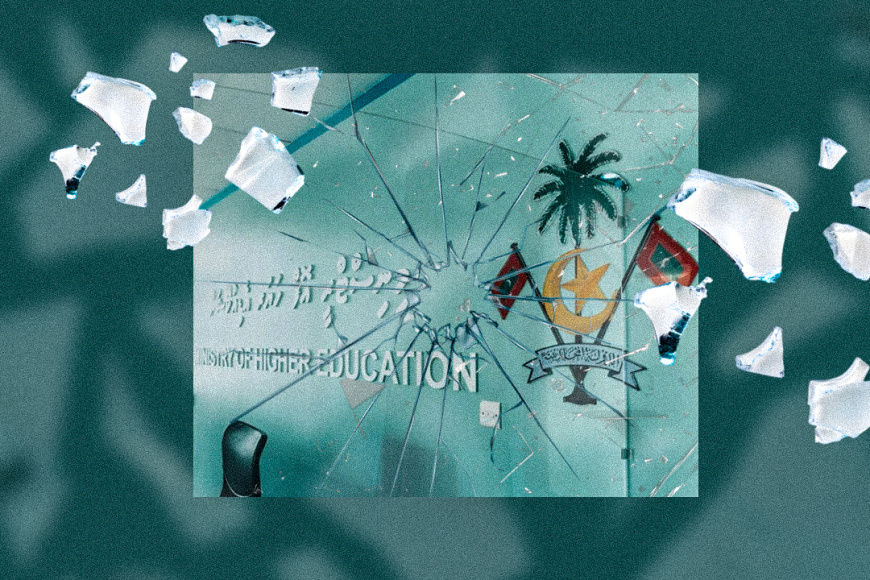
Recent years have seen Maldivian students shouting into a void. A December 2025 compilation of anonymous student complaints reveals hundreds of heart-wrenching stories: not isolated gripes, but a pattern of Ministry of Higher Education (MoHE) failures that are wrecking lives. Instead of empowering scholarship and loan recipients, MoHE’s chronic delays and disorganization are forcing talented youth to defer admissions, miss semesters, and even drop out all while watching their peers move ahead. For example, one student awaiting a loan payment fretted that “my university requires visa and admission fees by a specific date and if MoHE fails to pay them on time I might lose my slot or have to defer to a later period” . Another had already lost an academic year: “I applied for a student loan to come study in the UK in 2024. Due to them not sending the money on time I had to defer to this year instead” . This is not good luck, it’s a systematic failure.
Even when students somehow make it to campus, MoHE’s stumbles continue. One scholar reported being blocked from class because MoHE hadn’t paid her fees: “I was recently blocked from university systems and classes due to unpaid fees… MoHE has not paid anything so far, not even my enrollment fee, stating they have not received the invoice” . Another student who finally secured an offer faced a midnight deadline for a deposit: MoHE brushed off pleas that it was “being processed,” leaving her “running out of time… The whole thing feels like a humiliation ritual. Why do we have to beg for every single thing in this country?” . She notes that MoHE’s tardiness already caused her to miss the July intake, and now she’s “at risk of missing out on the next intake as well” . In short, each delay forces students to scramble, deferring their education and piling up personal debt to cover what the state promised to fund.
When stipends do eventually arrive, it’s often too late to avert disaster. One student described relentless anxiety: “I had to chase the MoHE scholarship section almost every working day… Without the stipend, it would be impossible to pay the accommodation fees on time… I also had to go many weeks without purchasing winter wear as I was scared that the stipend might get delayed to the point that I would have to spend the money I set aside for groceries on rent” . Others echo this desperate math, juggling meals, rent, and books on the pittance of a scholarship that “goes against the point of being on a ‘fully-funded’ scholarship,” in the words of one maligned student . More than isolated frustration, these are severe personal setbacks. One lamented: “Without the December stipend, I am facing significant difficulty in meeting basic living expenses, which is impacting my ability to focus on my research/studies” . Another was helping peers pay their rent out of pity, knowing MoHE hadn’t delivered their support . These are academic careers blunted by paperwork.
What’s most telling is that everyone in these stories reports the same woes. Emails go unanswered or take weeks to elicit a reply. Phones go unanswered. One student noted “communication is not maintained within the… ministry” and that staff “lie so much” about progress . Another explained that when scholars finally managed to get through by phone they were “passed around” endlessly. It “takes days of trying to even get in touch with someone and they can’t even resolve our issue” . In short, the system is broken. Students describe feeling ignored, insulted, and abandoned by officials. One bitterly asked, “Why do we have to beg for every single thing in this country?” .
This isn’t a fluke of one exam cycle or a few disgruntled students venting. The compilation spans complaints from 2019 through 2025, covering dozens of cases, all sounding the same alarm. In every university town, from Male’ to overseas campuses, young people are paying the price for MoHE’s inefficiency.
The pattern destroys confidence: scholarship and loan programs promise equal access to education, yet in practice leave students scrambling for cash. One victim put it bluntly: the ministry’s delays “completely goes against the point of being on a ‘fully-funded’ scholarship… The ministry has failed us and should be ashamed of themselves” . When students must borrow from friends to cover visa fees (after MoHE reneged on reimbursements) or when a high achiever quits their job expecting to study abroad only to have MoHE “decide not to give us the loan” at the last minute , the structure of this system is at fault.
The implications are urgent: every wasted semester is an academic and financial setback for our future professionals, teachers, and leaders. More than inconvenience, these delays risk entire careers and have a real human toll: stress, debt, and lost opportunity. An education bureaucracy that professes to nurture talent but instead fences students off because “the process is being ‘processed’” is betraying its purpose. This pattern of broken promises is a wake-up call. The Ministry of Higher Education must overhaul its processes, improve accountability, and treat students as clients, not nuisances. Otherwise, the very goal of scholarships and loans to empower a new generation of Maldivian professionals, will continue to be undermined by red tape.
Students’ stories from the MoHE complaint log should be a call to action: this is not “bad luck” but a self-inflicted crisis. It’s time for leaders to step in, because every day this goes on, Maldives pays the price in students left behind.











What's Your Reaction?