


Ticking Time Bomb: What Maldivians Aren’t Being Told About Their Political Collapse

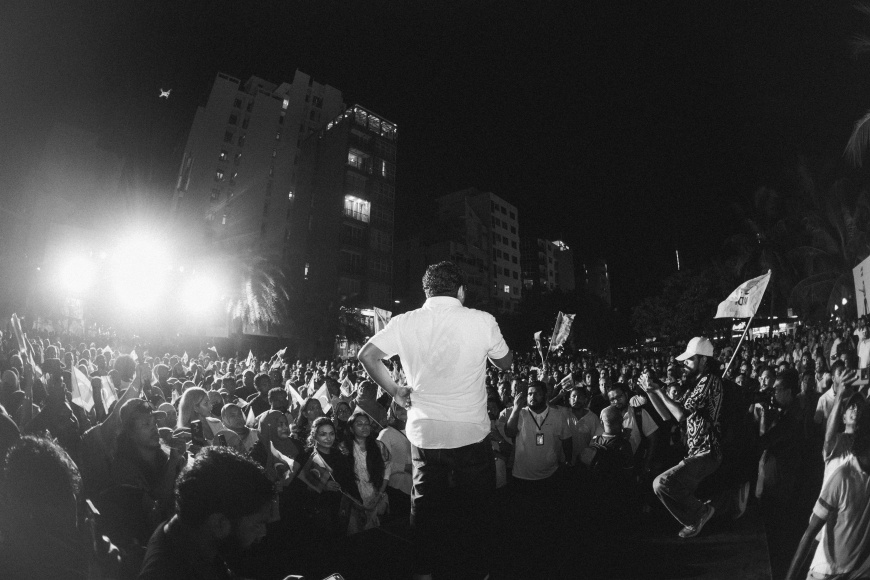
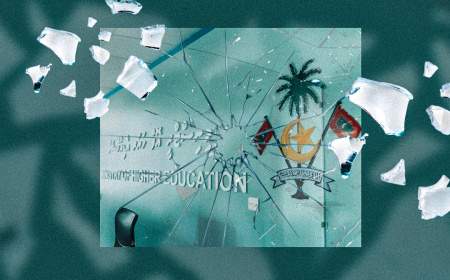
Nearly twenty years after Maldivians rose against authoritarian rule, the country’s political landscape is showing unmistakable signs of regression. Interviews with insiders, analysis of party documents, and a review of recent political developments reveal a troubling pattern: the three dominant political forces, MDP, PNC and the emerging PNF are entrenched in personal vendettas, unkept promises and simmering power grabs. Together, they form a volatile ecosystem that increasingly resembles the pre-democracy era.
A political science specialist in governance issues described the unfolding crisis in stark terms, “The Maldives is no longer struggling between different visions of the future, it is trapped between recycled elites of the past. The political class appears locked in vendettas, not governance; survival, not service. And when citizens disengage because all options feel hollow, instability does not arrive as a shock, it arrives as consequence.”
This report examines how each faction’s flaws are converging to create what many officials privately call “a political time bomb waiting to detonate.”
MDP: Revolutionaries Turned Status Quo
Once celebrated as the vanguard of democratic reform, the Maldivian Democratic Party (MDP) now stands accused by its own members of becoming the very establishment it once fought.
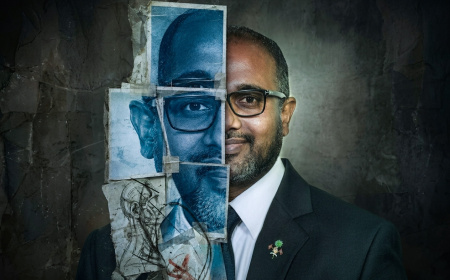
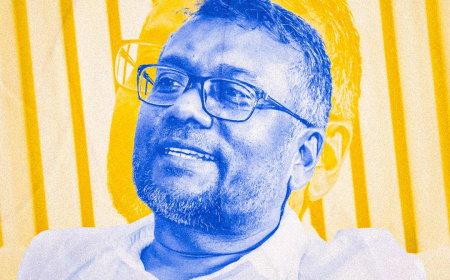
Interviews with insiders depict a leadership dominated by a small circle of long-time political elites: President Ibrahim Mohamed Solih 'Ibu Solih', former President Mohamed Nasheed, and veteran diplomat Abdulla Shahid. Despite their historic roles in the pro-democracy movement, these figures have remained entrenched for nearly two decades, consolidating power within tight networks of families and loyalists.
The internal breakdown became publically visible recently this month. In a resignation letter reviewed for this report, former MDP Chairperson Fayyaz Ismail warned of “multiple power centres” paralysing the party, famously describing the dynamic as “three swords in one sheath.”
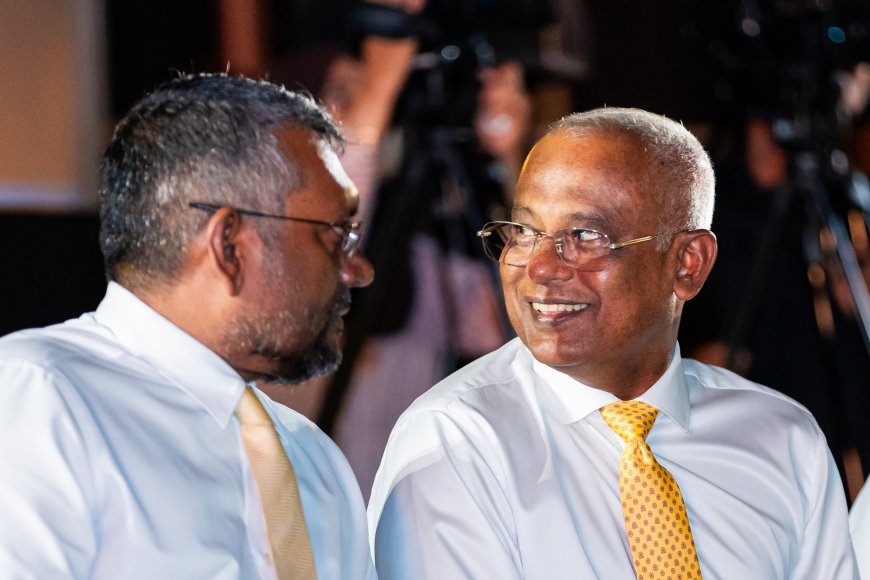
Party officials confirm that Fayyaz’s departure followed months of infighting between Solih’s bloc and Nasheed’s loyalists, rifts that had already crippled the party before the 2023 elections.
The fallout was severe. MDP collapsed from 65 seats to just 12 in the 2024 parliamentary elections, the worst defeat in its history. Former campaign staff describe a leadership increasingly “out of touch with ordinary Maldivians,” consumed by factional battles instead of governance or policy.
Analysts warn that without generational reform and internal restructuring, MDP risks sliding into political irrelevance a dramatic fall for a movement that once symbolised national hope.
PNC: New Portraits with Illusions of Change
The People’s National Congress (PNC) came to power on a populist platform promising nationalism, reform and rapid economic recovery. But a detailed review of its governance reveals a widening gulf between campaign rhetoric and actual performance.
During the 2023 campaign, President Dr. Mohamed Muizzu built momentum through the divisive “India Out” narrative, public pledges to free jailed ex-president Abdulla Yameen, and dramatic rally symbolism including an empty chair meant to represent Yameen’s imminent pardon. But once in office, Muizzu embarked on what diplomats call “a stunning reversal.”
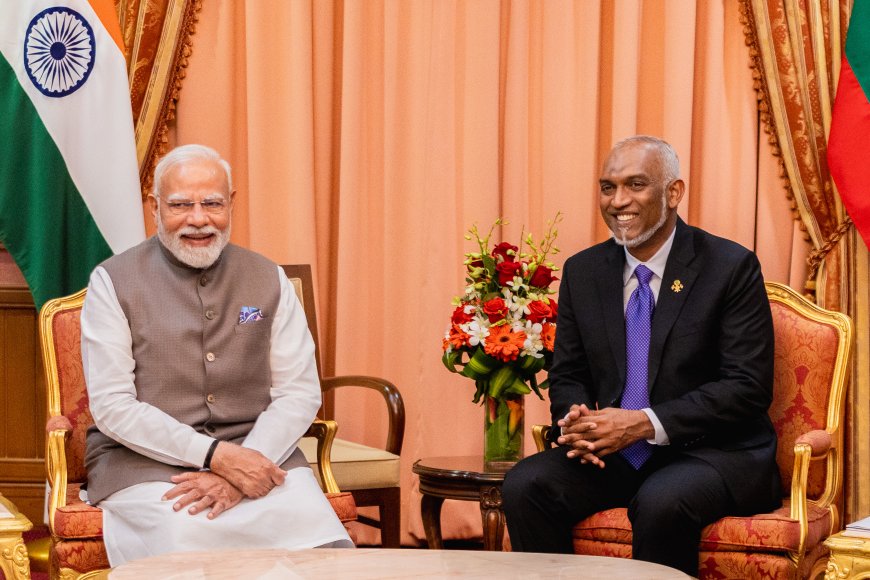
By mid-2024, he was praising India as one of the Maldives’ “closest allies,” despite months of anti-India rhetoric. His promise to release Yameen faded quietly, triggering a schism that eventually gave rise to the PNF.
A review of PNC appointments adds to the contradictions. Despite branding itself as a fresh alternative, the administration is filled with figures from Yameen’s former PPM government, along with politically connected business elites long embedded in the system.
One former PNC official summed it up bluntly: “old wine sold in a new bottle.”
Evidence suggests a government relying on patronage, loyalty networks and old political operators, with limited progress on promised reforms. Analysts warn that if PNC stays on this trajectory, it risks losing the public trust it gained not through its own strengths but through anti-MDP sentiment.
PNF: The Temptation and Danger of Autocratic Nostalgia
The rise of the People’s National Front (PNF), led by former President Abdulla Yameen, represents far more than a new political faction, it is an attempt to rehabilitate one of the most divisive figures in modern Maldivian politics.
PNF portrays Yameen as a decisive leader capable of restoring order and delivering swift development. Amid dissatisfaction with both MDP and PNC, this messaging has attracted a segment of the electorate.
But an examination of Yameen’s 2013–2018 presidency tells a different story: one marked by repression, corruption and a systematic weakening of democratic institutions. Opposition leaders were jailed or exiled, journalists were intimidated and one investigative reporter disappeared in a case still unresolved. Al Jazeera’s Stealing Paradise investigation revealed a US$79 million corruption network involving state island leases, directly linked to Yameen’s administration.
Although his 11-year conviction was later overturned on technical grounds, court filings and investigative reports continue to associate him with extensive graft and abuses of power.
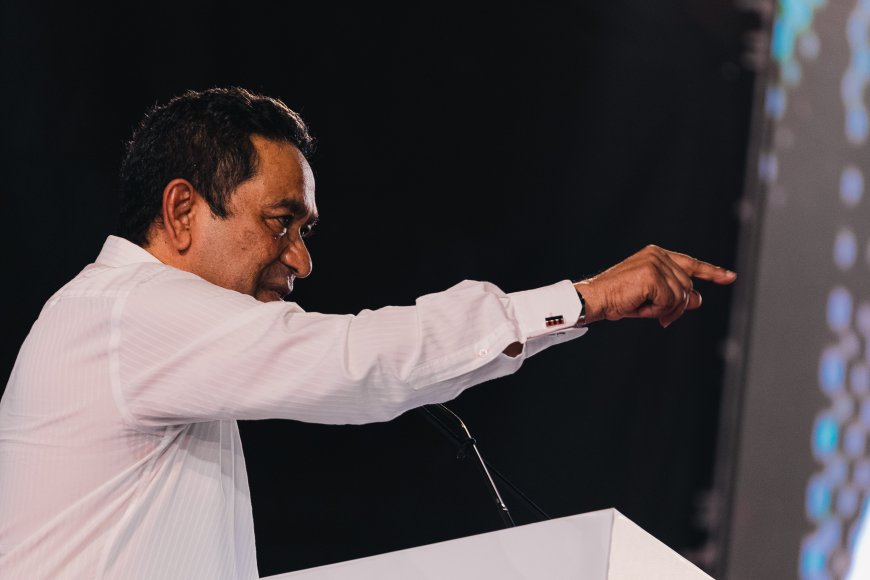
Despite its loud rhetoric, PNF’s electoral reality is sobering. It failed to win a single seat in the April 2024 parliamentary elections. Its support base remains narrow and personality-driven, rather than broad or policy-based.
Analysts caution that turning to PNF out of frustration risks reintroducing the authoritarian governance that Maldivians fought to dismantle over the past two decades.
A Nation Nearing a Breaking Point
Interviews, electoral data and party records illustrate a political system strained to its limits. MDP is paralysed by internal warfare; PNC is governed by the very networks it vowed to reform; and PNF offers a strongman fantasy rooted in a troubled past.
Experts warn that these dynamics are converging into a dangerous moment. Public disengagement is accelerating, trust in institutions is eroding, and senior officials privately express fears of widespread unrest or democratic backsliding.
As the political science lecturer observed, instability will not come as a sudden shock it will emerge as the predictable consequence of hollow leadership and hollow choices.
Maldives stands at a defining crossroads. Without a dramatic course correction within political parties and among citizens the nation risks reversing the democratic progress earned at great national cost. Whether leaders choose introspection or escalation in the months ahead will determine whether the country steps back from the brink, or walks directly into the political explosion many now fear is becoming inevitable.




What's Your Reaction?