


MDP Turns 21: A Journey of Sacrifice and Reform

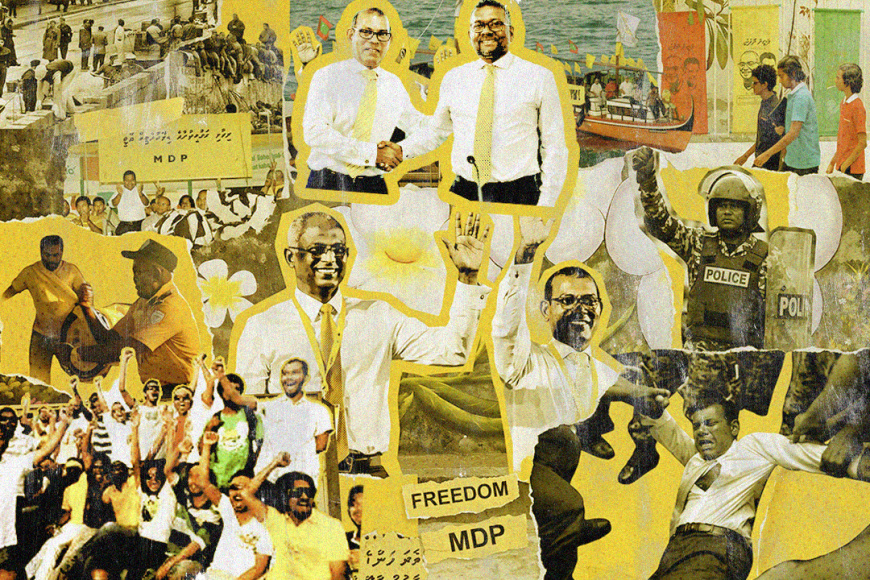
Twenty-one years is a brief chapter in the life of a political party. Yet for the Maldivian Democratic Party (MDP), twenty-one years have been enough to reshape the political history of an entire nation.
When MDP became the Maldives' first officially registered political party on 26 June 2005, it did more than secure legal recognition. It marked the beginning of the country's multi-party democratic era, a turning point that transformed the relationship between the state and its people.
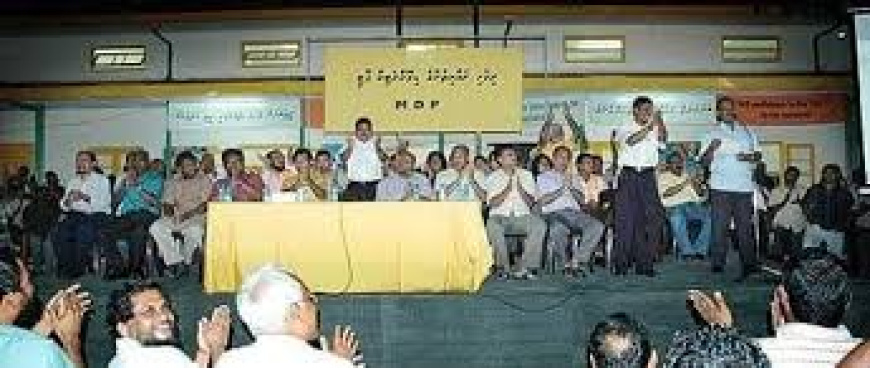
Today, as the party celebrates its 21st anniversary, its leaders speak not only of its past but also of the future.
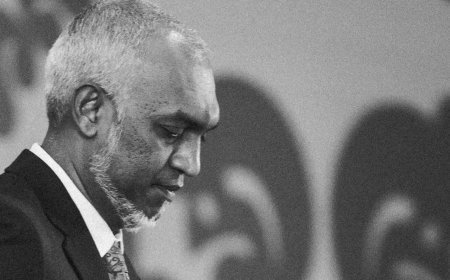
Former President Mohamed Nasheed describes MDP as the party that changed the Maldives. He argues that the 2008 Constitution, which ushered in a new democratic order, stands as one of the party's greatest achievements. The constitutional reforms brought unprecedented political freedoms, strengthened institutions, and expanded the rights enjoyed by ordinary Maldivians. Yet Nasheed believes the country's democratic journey remains incomplete. The Maldives, he says, now needs another bold transformation, one that secures greater prosperity and freedom for future generations.
That sentiment captures the story of MDP itself.
Before it became a political party, it was a movement. Its founders had no offices to work from. Many operated in exile. Others moved from prison cells to courtrooms, paying the price for demanding rights that many young Maldivians today simply take for granted.
There was a time when political parties were illegal. Public protests often ended in arrests. Independent journalism struggled to survive. Criticizing those in power carried consequences that extended far beyond political disagreement.
Many of the men and women who laid the foundation of MDP sacrificed careers, families and, in some cases, years of their lives behind bars. Others continued the struggle from overseas because returning home was simply not an option.
They were not campaigning for votes. They were campaigning for the right to vote. History rewarded that persistence.
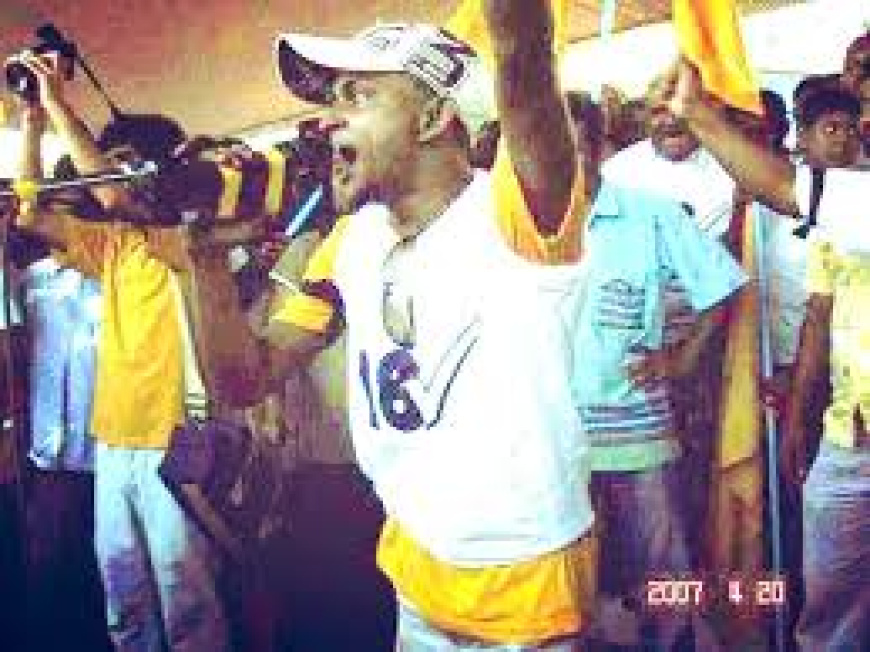
The legalization of political parties was followed by sweeping constitutional reform in 2008. Independent institutions emerged. Competitive elections became a reality. Governments could now change through ballots rather than certainty.
Whether one supports MDP or opposes it, it is difficult to tell the story of modern Maldivian democracy without telling the story of MDP.
Freedom of expression expanded. Independent media flourished. Civil society found its voice. A generation grew up believing that criticizing a government was normal, not dangerous. No political party, however, writes a flawless history.
MDP itself has endured some of the most painful chapters in Maldivian politics. The events surrounding President Nasheed's resignation in 2012 pushed the party back into opposition and reopened debates about the strength of the country's democratic institutions. Years later came another difficult test, internal divisions that fractured a movement once united under a single banner.
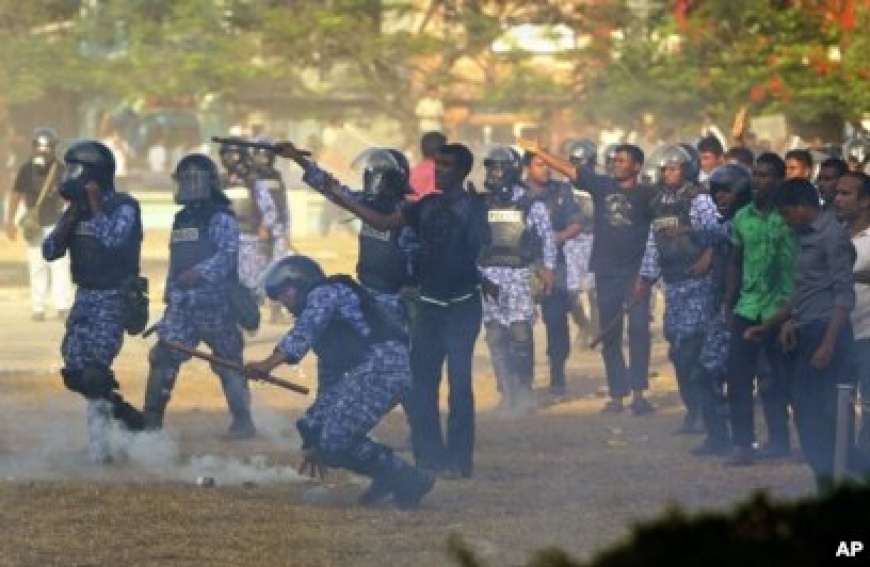
Yet, even after losing power, suffering political setbacks and watching members depart to form new political movements, MDP remains one of the country's most influential political institutions.
Perhaps that resilience explains why former MDP Chairperson and Opposition Leader Fayyaz Ismail chose unity as the defining message of the party's anniversary.
Congratulating members, activists and leaders, Fayyaz described the greatest sight on the party's 21st anniversary as seeing its ranks reunited. In a political landscape where many parties have faded into irrelevance, he argued that MDP's ability to remain the country's strongest political force has been built on the sacrifices of countless ordinary members who stood firm in the pursuit of justice and fairness.
His message was not merely one of celebration. It was one of preparation. A united MDP, he suggested, is preparing itself once again to challenge a government it believes has failed the public.
Former President Ibrahim Mohamed Solih struck a similar tone, congratulating the party's leadership and members while reminding the country that history itself bears witness to MDP's role in securing genuine democratic reform. He reaffirmed that the party's commitment remains unchanged: to continue defending the rights of the Maldivian people.
Those messages reveal something deeper than anniversary greetings. They reveal a party attempting to reconnect with its original identity.
For younger Maldivians, democracy has always existed. Political parties have always existed. Elections, independent newspapers and public criticism of governments are simply part of everyday life.
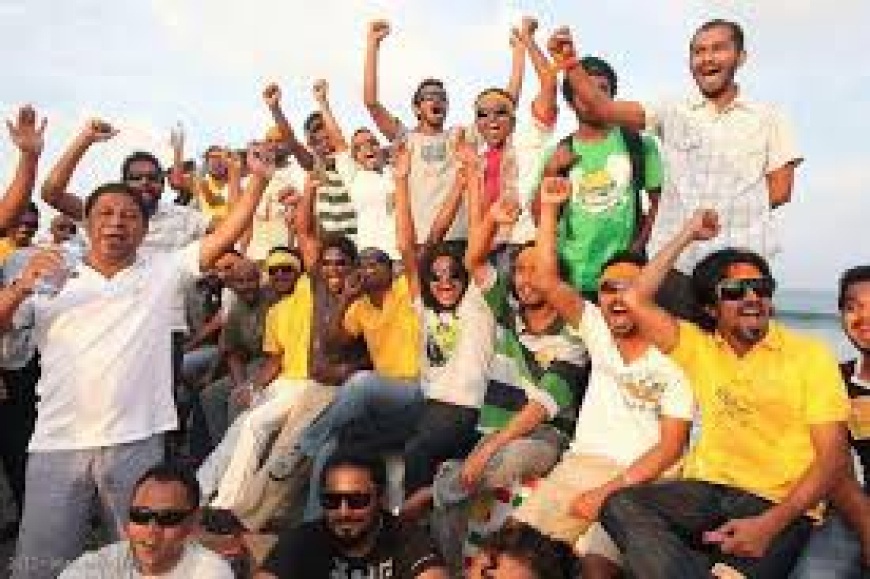
But none of these realities existed a generation ago. Someone fought for them. Someone was arrested for them. Someone was forced into exile for them. Someone risked everything so they could eventually become ordinary. That is MDP's enduring legacy. Not simply that it governed. Not simply that it won elections. But that it fundamentally changed what politics in the Maldives could look like.
The party now stands at another crossroads. It is once again in opposition. It faces the difficult task of rebuilding public confidence while navigating internal wounds that have yet to fully heal. History suggests that MDP has never found its strength during easy times. It found it when democracy seemed impossible.
Twenty-one years after becoming the Maldives' first registered political party, the questions facing MDP are no longer about its place in history. History has already answered those. The real question is whether the party that transformed the Maldives once can reinvent itself to transform it again.
Because if the first twenty-one years were about winning democracy, the next chapter may well be about proving that democracy can still deliver the better future its founders once dreamed of.




What's Your Reaction?