


The Collapse of Confidence: How Saeed’s Economic Vision Failed to Deliver

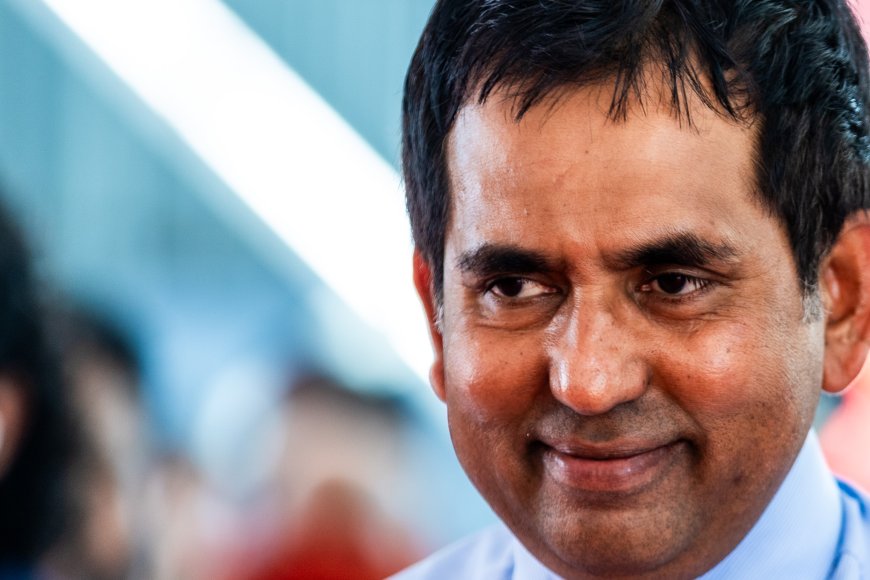
Economic Development and Trade Minister Mohamed Saeed is facing intensifying public and political criticism as a series of his flagship economic pledges remain either unfulfilled or have fallen short of expectations. Amid mounting fiscal pressure, inflation, and foreign-exchange strain, observers say the minister’s credibility is eroding at a critical moment for the Maldivian economy.
When Saeed took office under President Dr. Mohamed Muizzu, he pledged a transformative economic agenda, promising financial stability, diversification and new investment channels. Nearly a year later, however, many of those commitments have yet to materialize, while key sectors are showing signs of distress.
Development Bank Still Not Operational
One of the most visible failures is the long-delayed Development Bank of Maldives (DBM), launched with much fanfare in November 2024 and licensed by the Maldives Monetary Authority a month earlier. Despite repeated assurances that it would become operational “very soon,” the bank remains dormant. Saeed recently told parliament that the institution’s work was “progressing,” but provided no specific timeline for when services would begin. The MMA’s operational deadline of October 12, 2025 has already passed without any update.
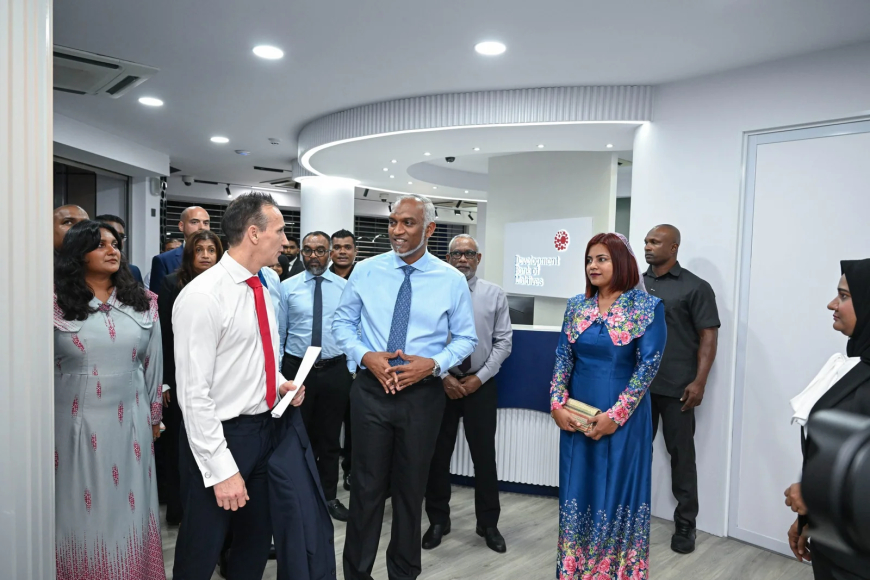
The DBM was expected to provide long-term, low-interest financing for national development projects, a major part of President Muizzu’s economic strategy. Its continued delay has raised questions over execution capacity and ministerial oversight.
Bunkering Project Misses Revenue Target
Another key initiative, the government’s bunkering service aimed at turning the Maldives into a regional maritime fuel hub, has also failed to deliver on its revenue promise. Saeed had projected an ambitious USD 400 million annual income, but official figures show the venture generated just USD 12.46 million which is MVR 192 million in its first year, less than 5 percent of the target. The shortfall has fueled scepticism about the ministry’s revenue forecasting and its ability to attract large-scale logistics operations.
Dollar Pressure and Inflation Persist
In March 2025, Saeed assured the public that the US dollar exchange rate would be maintained at MVR 15.42 and that the parallel market rate would decline “as more measures take effect.” Yet, despite these promises, the black-market rate has remained significantly higher, hovering above MVR 19, indicating continued currency pressure and foreign-exchange shortages.
Inflation has also surged. Official data show consumer prices rising 4.14 percent year-on-year in August 2025, driven largely by steep food price increases. The minister’s much-touted “Essential Commodity Price Index”, introduced to stabilise staple-goods prices has so far shown little measurable effect.
Mega Projects Amid Fiscal Strain
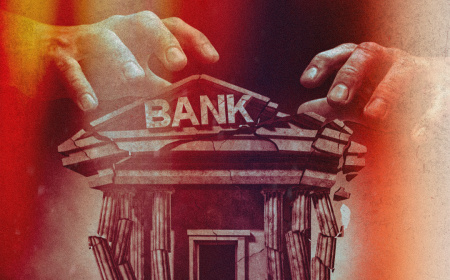
Saeed has also promoted high-value investment initiatives, including an USD 8.8 billion agreement with MBS Global Investments to establish the Maldives International Financial Centre (MIFC). While the project has been presented as a step toward economic diversification, critics argue that such mega-projects risk diverting attention and resources away from immediate fiscal challenges such as rising debt, widening deficits, and growing liquidity pressure in the banking system.
Mounting Doubts and Political Pressure
Parliamentarians and analysts are increasingly questioning whether the minister has maintained the president’s confidence. Reports suggest frustration within government circles over missed deadlines, lack of transparency, and over-optimistic projections. Saeed’s responses to questions on falling revenue including a 64 percent drop in import-duty collection earlier this year have been viewed as evasive, further straining public trust.
Despite repeated assurances that the Maldives will “not go bankrupt,” the broader picture is concerning. The World Bank’s latest Maldives Development Update warns of rising debt (over 110 percent of GDP), persistent fiscal deficits, and tightening liquidity among commercial banks, all of which underscore the urgency of credible economic management.
A Growing Credibility Gap
While Minister Saeed continues to defend his policies as long-term measures requiring patience, the gap between promises and outcomes has widened. With inflation climbing, the rufiyaa under pressure, and major projects stalled, critics say the minister’s optimism is wearing thin.
As public frustration grows and key economic indicators continue to weaken, the spotlight on Minister Mohamed Saeed’s performance is unlikely to fade. With inflation rising, the rufiyaa under sustained pressure, and promised reforms such as the Development Bank of Maldives still on hold, calls for greater accountability are intensifying within both political and business circles. Whether Saeed can regain credibility and deliver on his ambitious promises will determine not only his own political survival, but also the direction of President Muizzu’s broader economic agenda in the months ahead.








What's Your Reaction?