


The Invisible Script: How Gender Expectations Shape Us From Childhood to Adulthood
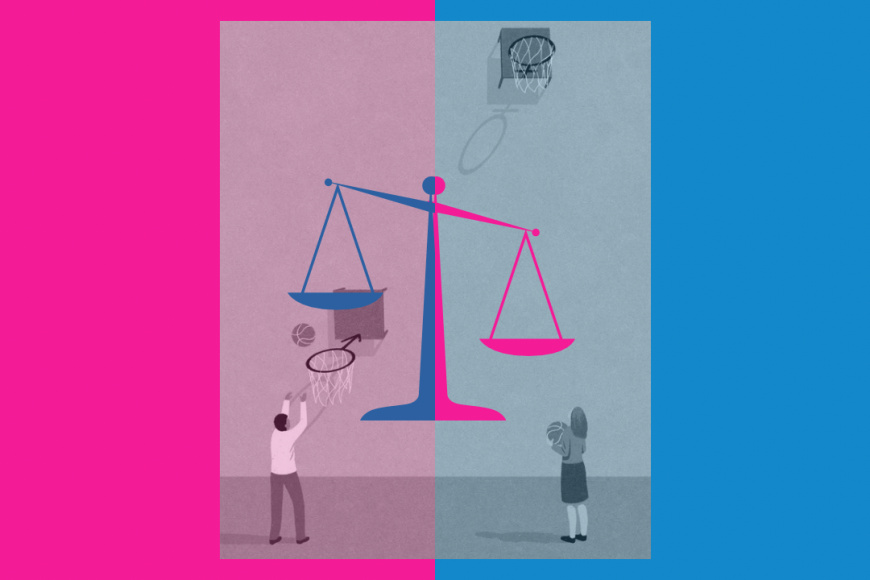
From the moment we are born, we are handed an invisible script. It tells us how to speak, how to fail, and what it means to succeed. These rules about how girls and boys should behave are not always said out loud. Instead, they are woven into our daily lives, shaping our choices well into adulthood. While these expectations often feel natural by the time we grow up, they place heavy limits on both men and women.
In childhood, the toys we are handed can be seen as early rehearsals for adulthood. Girls are often surrounded by dolls, toy kitchens, and tea sets. Through play, they are gently guided toward caregiving, empathy, and making others comfortable. They are praised for sitting nicely, keeping their clothes clean, and “being a good girl.” This builds a strong foundation for kindness, but it also teaches girls that their primary value lies in being pleasant and causing no trouble. Boys, on the other hand, are handed action figures, tools, and race cars. Their play centers on speed, building, and conquering. When a boy scrapes his knee, he is often told to brush it off and “be brave.” This encourages resilience, but it also teaches boys to disconnect from their physical and emotional pain.
These early childhood habits carry on as we step into school too. Girls are frequently nudged into the role of the teacher’s reliable assistant. They are expected to be the naturally responsible ones, relied upon to clean up the classroom, hand out textbooks, and take the morning attendance. Their early experiences of leadership are often intertwined with caretaking, as they are tasked with looking after other students. While managing these duties builds strong organizational skills, it also teaches them to keep everything in perfect order rather than taking creative risks. Boys, however, navigate a different reality. They are rarely asked to manage the classroom or tend to their peers. Instead, their restlessness or disruption is often excused as just a natural part of being a boy. While skipping these responsibilities might look like freedom, it actually robs them of essential life skills. Because they are consistently let off the hook for maintaining their shared space, they miss out on crucial early practice in community care, empathy, and self-restraint.
As childhood fades into the teenage years, reputation becomes everything. For young women, adolescence often feels like living under a microscope, where their everyday choices are intensely scrutinized. A mistake, whether it is breaking a rule, experimenting, or rebelling, is often treated as a permanent stain on her character. A girl who acts out is labeled “careless” or a “bad influence.” She is explicitly warned to protect her image, bringing heavy anxiety and self-monitoring into her daily life. For young men, the teenage years are a test of toughness. A boy’s misstep is frequently brushed off with a laugh and the excuse that “boys will be boys.” While this protects his reputation, the pressure to “man up” does deep psychological damage. Boys are pushed to mock vulnerability to fit in with their peers. If they feel sad, scared, or overwhelmed, they quickly learn that sharing those feelings will invite ridicule. Society protects their reputation, but it destroys them emotionally, leaving many young men feeling isolated.
When these young adults enter the workforce, they encounter a professional world built on these same foundations. Women walk a frustrating path. If they are cooperative and kind, they are liked but not seen as leadership material. If they are decisive and assertive, they are heavily criticized for being “bossy” or “difficult.” This double standard even applies to the work itself. If a woman presents a new idea in a meeting, it is often ignored, dismissed,or even mocked. Yet, if a man pitches the exact same idea, he is enthusiastically praised for his brilliance and vision. Furthermore, even before women have children, they are assumed to be less committed to their careers because of their potential future family roles. Men face a different challenge. Men are expected to be the primary providers, which means putting the company above everything else. If a man wants to step off the corporate treadmill, take extended paternity leave, or choose a flexible schedule to prioritize his mental health or his family, he often faces mockery. They are heavily criticized if they choose balance.
In adulthood, the home becomes the final setting for these divided roles. Many women plan birthday gifts, doctor visits, school forms, and daily details that keep life moving. This is real labor, but it’s treated as natural and often goes unseen, leading to burnout. Many men are praised for “helping,” but not expected to share the planning by default. When they handle basic parenting or household tasks, they are met with exaggerated praise, a dynamic that sets a surprisingly low bar for their actual capabilities.
These rigid expectations carry a massive cost for everybody. Women carry the stress of constant judgment, the burden of invisible labor, and the frustration of fighting to be heard on equal terms. Men carry the silent weight of provider expectations, a constrained emotional range, and a fear that asking for help will strip them of their masculinity. Rewriting this script requires conscious, daily changes. The goal is not to force everyone to be exactly the same, but to remove the artificial borders around what they are allowed to try.













What's Your Reaction?