


World Bank Warns of Mounting Economic Risks and Liquidity Strain in Maldives

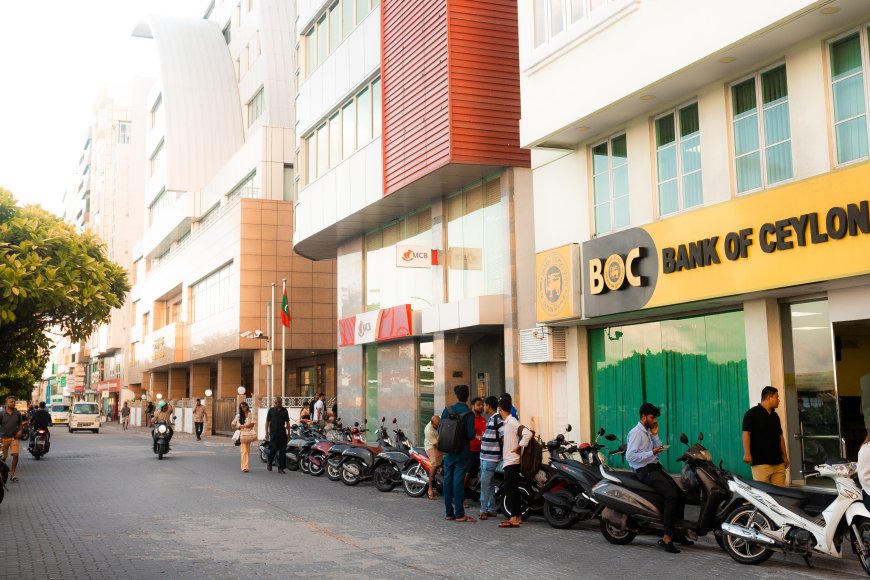
The World Bank has issued a stark warning over the Maldives’ economic outlook, highlighting deepening fiscal vulnerabilities, high public debt, and growing liquidity pressures within the country’s banking sector. In its latest Maldives Development Update, the Bank cautions that despite a moderate recovery in tourism and infrastructure-driven growth, the country’s macro-economic stability remains fragile and heavily dependent on external financing.
The report notes that commercial banks are facing tightening liquidity conditions as credit to both the private sector and public enterprises continues to expand while deposit growth slows. The World Bank warns that this imbalance, combined with the government’s heavy domestic borrowing, could expose the financial system to refinancing and liquidity risks if global financial conditions deteriorate further. Although the banking sector remains well-capitalized for now, the Bank stresses that sustained pressure on liquidity could weaken resilience and constrain access to credit, especially for the private sector. It also flagged the high concentration of loans to public enterprises and reliance on short-term liabilities as potential sources of instability.
Beyond the banking sector, the report paints a concerning picture of the country’s broader fiscal position. Public debt remains alarmingly high, projected to stay above 110 percent of GDP, leaving little room for fiscal flexibility. The fiscal deficit is also expected to persist despite improved revenue collection, as government expenditure on subsidies, salaries, and large-scale infrastructure projects continues to rise. The World Bank further observed that external reserves have weakened, increasing the Maldives’ dependence on foreign aid and short-term borrowing to maintain stability.
The report underscores that the Maldivian economy remains highly vulnerable due to its narrow export base and heavy reliance on tourism, which leaves it exposed to external shocks. The World Bank has urged the government to tighten fiscal discipline, reform subsidy policies, and improve debt management practices to stabilize the economy. It also emphasized the importance of stronger financial sector oversight to prevent liquidity issues from spilling into the broader economic system.
While growth in tourism and construction continues to support short-term recovery, the Bank warns that without decisive policy reforms, the Maldives could face growing fiscal stress, rising financial risks, and declining investor confidence in the years ahead.










What's Your Reaction?