


The Maldives in 2062: A Demographic Crisis

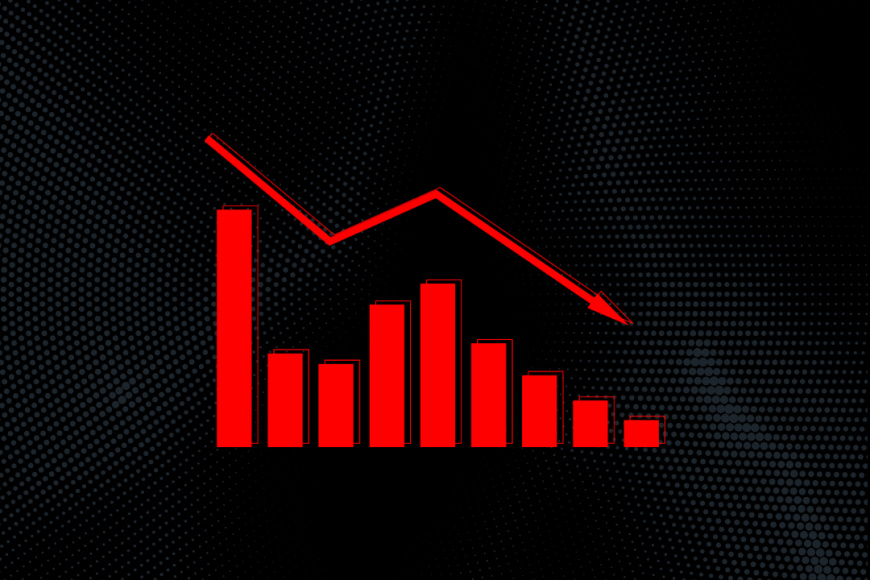
In 40 years, the Maldives will look very different from the nation we know today. The latest population projection by the Maldives Bureau of Statistics and UNFPA paints a quiet but dramatic shift one that will shape everything from health policy to housing, labor, and family life. By 2050, the resident Maldivian population is expected to peak at 427,994, before gradually declining by about a thousand people each year. Life expectancy will continue to rise, reaching 85.3 years for women and 82.8 years for men, while fertility will fall from 1.7 to just 1.5 children per woman well below replacement level.
Children, once the demographic anchor of the islands, are disappearing from the numbers. In 2022, they made up 27% of the population. By 2062, that share will shrink to 13%. The pre-school population alone will fall from 25,334 to just 13,648. Each new decade will bring smaller classrooms, fewer youth in sports or higher education, and eventually a shrinking workforce. What once defined Maldivian vitality, its young, growing population will give way to a quieter, older reality.
If the first half of the 21st century belonged to the youth, the second half will belong to the elderly. By 2052, the Maldives will officially become a super-aged society, where one in every four Maldivians is 65 or older. The elderly population will multiply sixfold from 20,490 in 2022 to 119,246 in 2062 . Beyond the statistics lies a human question: what does it mean for a small island community to grow old, collectively? Ageing will not only alter the economy; it will reshape social life, from the design of homes and workplaces to the rhythm of communities that once revolved around youth.
By 2062, only one in three Maldivian women will be of childbearing age, compared to more than half in 2022. This drop from 56% to 38% represents more than demographic decline; it signals a cultural and economic shift . As fertility falls and motherhood becomes rarer, the country faces an irreversible contraction in natural population growth. Policy debates on migration, family incentives, and gender equity will no longer be abstract. They will be survival strategies.
In 2022, two working adults supported one dependent. By 2062, that ratio will tilt dramatically: three workers will support two dependents, most of whom will be elderly. The dependency ratio will reach 70 per 100 working-age people, a level that threatens the sustainability of pensions, healthcare systems, and social protection. What was once a youth dividend could soon become an age burden, unless the Maldives redefines what productivity, care, and contribution mean across generations.
The report’s final message is not a prediction, it’s a warning. A super-aged Maldives will demand new thinking in public finance, social protection, and spatial planning. The migration toward Malé will intensify, placing greater strain on housing and services, while outer islands risk deeper depopulation. The labor market, meanwhile, will depend increasingly on foreign workers, making workforce policy one of the country’s most sensitive future debates.
At its core, the Maldives’ demographic story is not about numbers. It is about how a young nation prepares to grow old with dignity, sustainability, and foresight. The question is no longer whether the shift is coming. It’s whether we are ready to live with its consequences.





What's Your Reaction?