


Gaza Faces Growing Humanitarian Crisis as Aid Stalls Despite Ceasefire

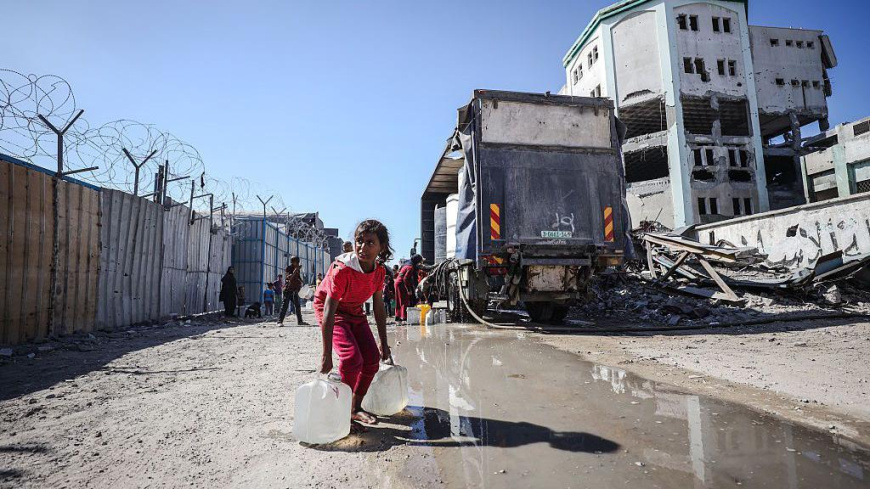
A week after the long-awaited ceasefire took effect in Gaza, humanitarian organizations warn that aid reaching the besieged territory remains critically low, with Israel accused of delaying and restricting deliveries despite widespread devastation and urgent civilian needs.
According to multiple aid agencies, the volume of humanitarian supplies entering Gaza is barely half of what was agreed under the ceasefire framework. Only around 300 trucks per day are being allowed in through the Kerem Shalom crossing far below the promised scale-up to sustain Gaza’s 2.3 million residents. Fuel and gas remain severely restricted, limited mostly to hospitals and water desalination plants.
Israel’s decision to delay the reopening of the Rafah crossing with Egypt a vital humanitarian lifeline has deepened the crisis. While Israel insists the truce did not explicitly require Rafah to be used for aid entry, humanitarian groups argue that the continued closure is blocking medical evacuations, aid convoys, and essential rebuilding materials.
“The situation is catastrophic,” one United Nations official said. “We were told the ceasefire would bring relief, but what we see is paralysis. The aid that’s coming in is a drop in the ocean compared to what’s needed.”
Road destruction and communication blackouts have compounded logistical challenges for international NGOs working in the field. Many communities in northern Gaza remain unreachable due to damaged roads, while aid warehouses struggle to coordinate deliveries without stable networks.
The humanitarian crisis is worsening as winter approaches, with thousands of displaced families lacking shelter, warm clothing, and heating fuel. Medical infrastructure, already decimated by months of bombardment, is on the brink of collapse, with hospitals reporting dwindling supplies of anesthesia, antibiotics, and fuel for generators.
Despite global calls for an immediate and unhindered flow of aid, Israel maintains that all shipments must undergo strict security checks to prevent “misuse” by armed groups. However, Palestinian officials and international observers say these measures amount to collective punishment and are violating the terms of the ceasefire.
As Gaza struggles to recover from one of the deadliest and most destructive conflicts in recent history, the international community faces mounting pressure to ensure that promises of peace translate into tangible relief. For now, the people of Gaza remain trapped in limbo waiting for the truce to bring the aid and hope they were promised.










What's Your Reaction?