


UN Rights Chief Demands Repeal of Maldives’ New Media Law, Citing Threats to Free Expression

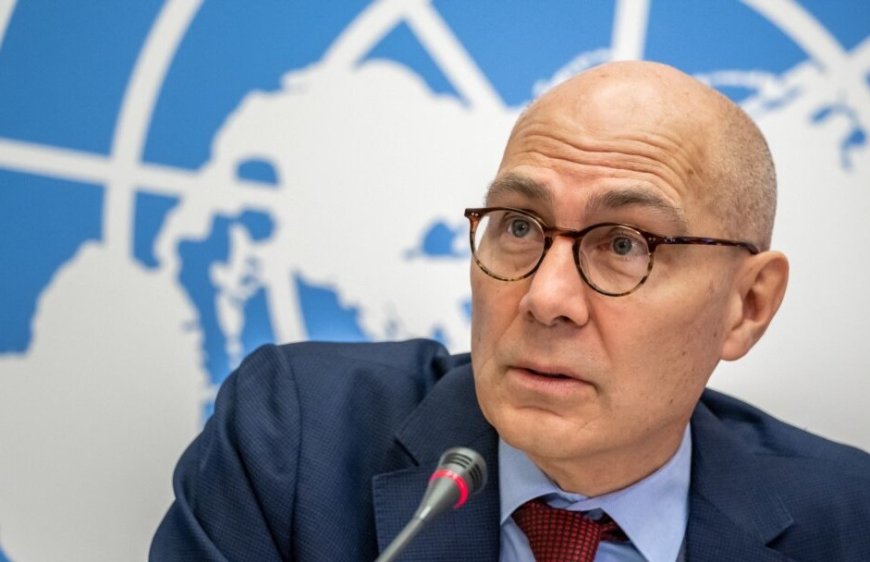
The United Nations High Commissioner for Human Rights, Volker Türk, has formally urged the Maldivian government to repeal the recently ratified Media and Broadcasting Regulation Act, warning it “seriously undermines media freedom and the right to freedom of expression.”
In a statement released by the OHCHR, the new law, ratified on 18 September, is described as having “broad powers” that could be used to block licenses and impose fines on media outlets, in direct conflict with international human rights standards to which the Maldives is a party.
“Free and diverse media are fundamental to democratic society,” the statement reads, adding that the law risks silencing dissenting voices at a time when institutional checks and balances are already under strain.
The UN office also offered its technical assistance to help the Maldives draft legislation more aligned with global norms, if the law is repealed.
Calls for repeal by the OHCHR follow growing domestic and international backlash over the law. Journalists in the Maldives say the bill will be used to stifle independent reporting. They have pledged to challenge it in the Supreme Court.
The new law establishes a seven-member regulatory commission with authority to suspend outlets, halt broadcasts, and impose fines. Critics argue these powers could be wielded selectively to target dissenting media.
Several Western governments and international organizations have also expressed concern. The EU, the UK, and the United States have called on the Maldives to safeguard press freedom under the new legislation.
As pressure mounts from both civil society and global institutions, whether the Maldives will repeal or substantially amend the law remains uncertain, but for many observers, it is a critical test of the country’s commitment to democratic and human rights norms.



What's Your Reaction?