


MMA in the Spotlight as Maldives Faces ‘Hidden Money Printing’ Claims
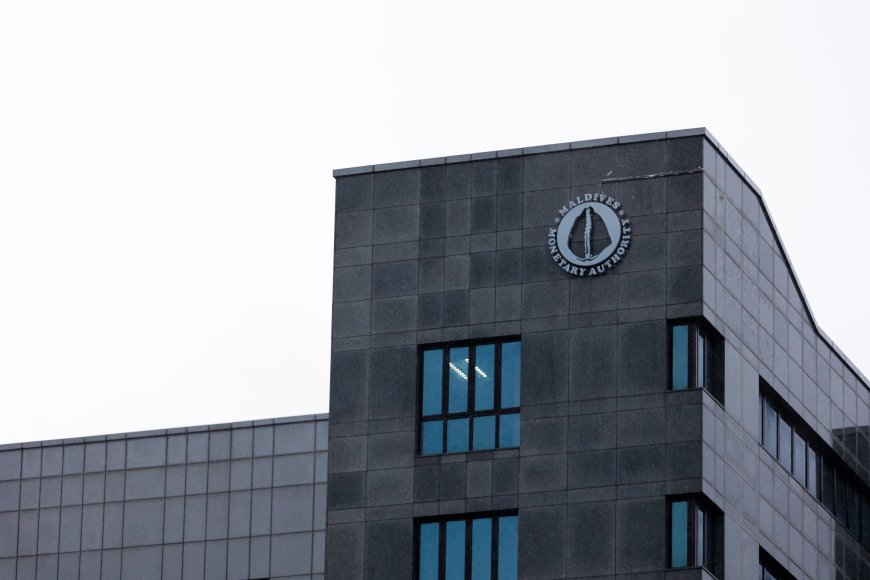
A new financial controversy has erupted in the Maldives amid mounting accusations that the government is once again engaging in “money printing” through indirect means involving the Maldives Monetary Authority (MMA) and the Maldives Pension Administration Office (MPAO). The move, critics warn, could undermine monetary stability and investor confidence as the nation grapples with tightening reserves and rising fiscal pressures.
According to reports by statements by opposition leaders, the government is preparing a transaction that would channel MVR 2.5 billion into circulation. Under the proposed mechanism, the MMA would inject funds into the Pension Office, which would then invest the same amount in government securities, a structure that former finance minister Ibrahim Ameer described as “printing money in disguise.”
“This government is not only printing money; it is endangering the retirement security of thousands of Maldivians,” Ameer wrote on X, warning that such actions could further erode confidence in public institutions.
Former economic minister Fayyaz Ismail echoed similar concerns, tweeting that the government’s repeated attempts to raise liquidity through the MMA reflect “severe cashflow distress” and a weakening of institutional independence.
It’s no surprise that the government is forcing MMA to monetize fiscal expansion. I have stated previously that, despite their claims, this government would have no choice but to print money due to gross mismanagement. It’s now evident that they are doing so after opaque… — Fayyaz Ismail (@faya_i) October 20, 2025
Mounting Fiscal Strain and Reserve Pressure
Economists note that the alleged move comes at a time when the state’s financial position is under severe strain. Gross reserves, currently around USD 850 million, include a USD 400 million currency-swap line with the Reserve Bank of India that matures in November. Analysts warn that settling that swap could sharply reduce usable reserves, leaving limited room for external debt servicing.
Opposition figures claim that with commercial banks at exposure limits and state-owned enterprises short on liquidity, the government is increasingly relying on central-bank resources to cover domestic spending, a practice that could expand the money supply and fuel inflation.
Former Finance Minister Ibrahim Ameer has raised alarms on X over the government’s alleged decision to print money, warning that this marks only the beginning of a wider pattern of monetary expansion. Ameer cautioned that by early next year, the government will need nearly MVR 8 billion to service its debts. In his post, he accused the administration of turning to money printing to cover fiscal shortfalls after failing to secure sufficient foreign financing.
The Muizzu Government’s non-transparent attempt to finance its operations by printing money through the MMA and using the Pension Office as cover is just the beginning. This will undermine confidence in public institutions, weaken the credibility of monetary policy, and risk… pic.twitter.com/Qyl9xbivc9 — Ibrahim Ameer 🇵🇸 (@iameeru) October 21, 2025
Government Denial and Institutional Concerns
The government has denied the allegations, insisting that no new money is being printed and that all transactions comply with the Fiscal Responsibility Act. Officials maintain that the MMA remains independent and that any investments involving the Pension Office are conducted within prudent financial parameters.
Still, the controversy has reignited debate about the politicization of key financial institutions. Observers warn that weakening the autonomy of the central bank and the Bank of Maldives could make it more difficult for the country to secure foreign loans and manage its growing debt load.
Economic Implications
Monetary-financing operations whether direct or indirect carry serious macroeconomic risks. Economists caution that expanding the money supply without matching economic growth could:
-
Trigger higher inflation, reducing household purchasing power.
-
Devalue the Rufiyaa, increasing the cost of imports and debt repayments.
-
Erode investor confidence, making it harder for the government to raise capital abroad.
As scrutiny intensifies, financial analysts are calling for transparency on the MPAO transaction and a public disclosure of the MMA’s recent balance-sheet data. With the 2026 debt refinancing deadline approaching and foreign reserves under pressure, policymakers face a delicate balance between fiscal necessity and monetary discipline.
The unfolding situation has placed the Maldives at a critical juncture, one where economic management, institutional credibility, and political accountability will determine whether the nation can stabilize its finances without inflating away its future.






What's Your Reaction?