


Measles is Back: Why Every Maldivian Should Take It Seriously
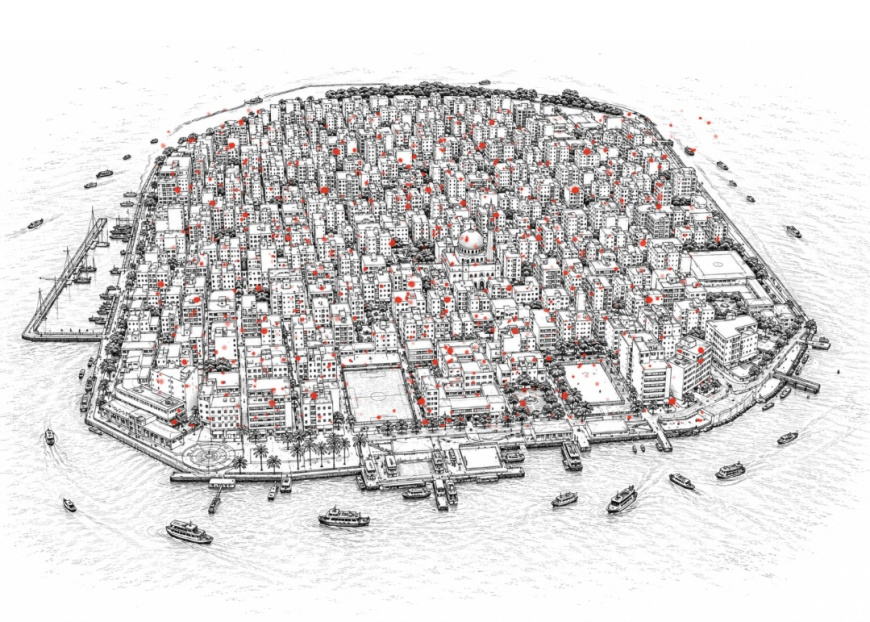
For years, the Maldives was recognized as a global public health success story after eliminating endemic measles through high vaccination coverage and strong disease surveillance. However, in 2026, confirmed measles cases have reappeared, reminding us that no country remains protected if immunity declines or the virus is imported from abroad.
Health authorities have confirmed laboratory-tested measles cases in the Maldives during 2026. Most infections have been linked to imported cases and transmission among individuals who were unvaccinated or had not completed their recommended vaccination schedule. The Ministry of Health and the Health Protection Agency (HPA) continue to monitor contacts and encourage catch-up vaccinations to prevent wider community spread.
Measles usually begins with:
High fever
Cough
Runny nose
Red, watery eyes
After a few days, a red rash appears, usually starting on the face before spreading across the body. Small white spots inside the mouth (Koplik spots) may also appear before the rash develops.
The measles vaccine is safe, effective, and provides long-lasting protection. The World Health Organization recommends maintaining at least 95% vaccination coverage with two doses to prevent outbreaks. This is the same strategy that helped the Maldives eliminate endemic measles in the past.
The return of measles is a reminder that disease elimination does not mean permanent disappearance. As international travel increases and outbreaks occur around the world, maintaining high vaccination coverage is essential to protect vulnerable people and keep the Maldives safe. Vaccination is not only a personal choice, it is a community responsibility that helps protect babies, older adults, and those who cannot be vaccinated for medical reasons.






What's Your Reaction?