


US-Iran War: Potential Impact on Maldivian Economy and Daily Life
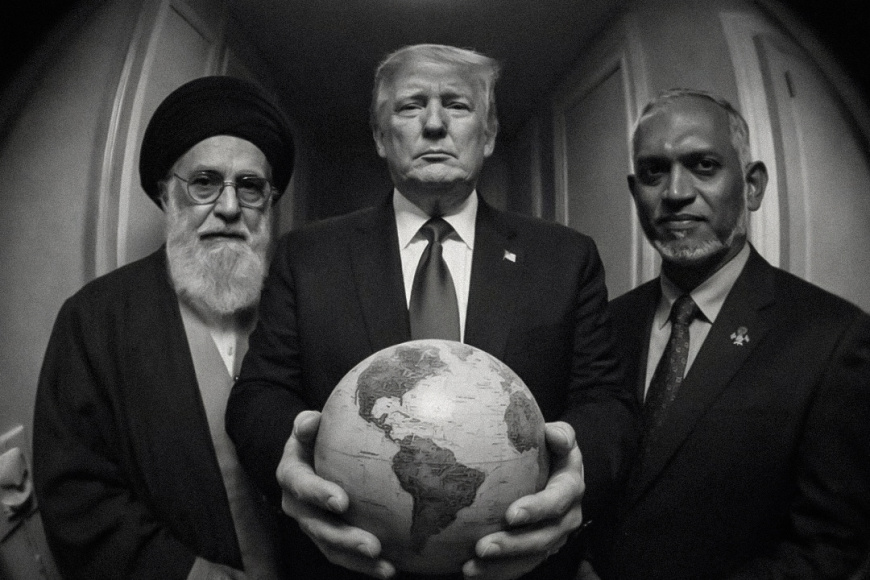
When news broke today that the United States and Israel launched major military operations against Iran, the Middle East likely felt very far away. But in a fully connected global economy, the shockwaves of this sudden conflict will ripple across the Indian Ocean and onto our shores much faster than we might think.
While the Maldives is geographically shielded from the immediate violence, we are highly exposed to the economic fallout. Here is a look at what this unfolding geopolitical crisis means for our local businesses, our national economy, and our daily lives.
The Price of Power and Groceries
Almost everything we consume in the Maldives is imported, and powering our islands relies heavily on diesel. With a major conflict erupting in the oil-rich Persian Gulf, global fuel prices are guaranteed to spike. This means the cost of electricity, running speedboats between atolls, and importing basic groceries will rise. For the average family, a jump in the global oil market translates directly to a noticeable squeeze on the household budget as everyday goods become more expensive.
Turbulence for Tourism
Our economy thrives on hospitality, but a war in the Middle East disrupts one of our most vital transit routes. With airspace closures across the Gulf and major airlines pausing or rerouting flights, the flow of European and Western tourists traveling through hubs like Dubai or Doha faces immediate bottlenecks. Beyond flight logistics, global anxiety and rising international travel costs often make people hesitate to book holidays. This could lead to a slowdown in bookings for local guesthouses and resorts, directly impacting the income of thousands of Maldivians working in the sector.
The Debt Repayment Squeeze
On a national level, the timing of this crisis is incredibly challenging. The state is already navigating a complex web of foreign debt repayment. If the government is forced to spend significantly more of its US dollar reserves just to import essential fuel and food at inflated wartime prices, managing those existing debt obligations becomes a much steeper climb. To compensate, the state might have to tighten national budgets, which can eventually slow down local infrastructure projects and impact public services.
A Ripple Effect on the Local Council Election
Economic pressure rarely stays out of domestic politics. As the cost of living edges upward and global uncertainty looms, these pocketbook issues will undoubtedly become central talking points at home. Voters heading to the polls for the upcoming Local Council Election will be looking closely at how leaders plan to buffer local communities from these international economic shocks. A distant conflict rapidly turns into a very local debate about economic resilience and community support.
We cannot control the geopolitics of the Middle East, but understanding the ripple effects is the first step in bracing for them. Staying informed, supporting local businesses where possible, and preparing for a period of economic tightening is the best way forward for our communities.








What's Your Reaction?