


Sudan: Enduring Exploitation and Resistance

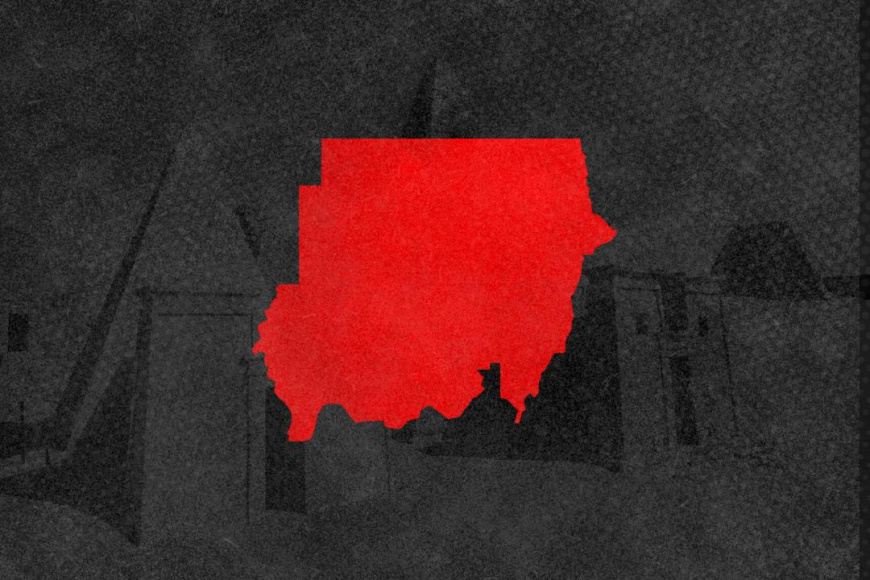
Sudan’s story, like many African nations, begins with extraordinary richness in land, culture, and history yet continues to be defined by cycles of exploitation. Despite centuries of colonial and foreign interference, Sudan’s people have held fast to their identity. The country’s current challenges are deeply tied to this history of resource extraction and political manipulation, perpetuated by both external powers and domestic elites. The Sudanese diaspora, however, remains a lifeline, keeping global attention on the nation’s struggle and refusing to let its story end in silence.
Foreign involvement continues to shape the fate of Sudan. Russia seeks a naval foothold on the Red Sea to secure trade routes and gold exports. The UAE arms the Rapid Support Forces (RSF), trading weapons for access to land and ports. The US monitors Red Sea militarisation, while China safeguards its infrastructure and trade interests. The UK, which once co-ruled Sudan under the Anglo-Egyptian Condominium, laid the groundwork for internal divisions, and Israel seeks leverage over the Nile. Together, these powers sustain a geopolitical tug-of-war, with Sudan’s sovereignty caught in between.
Two years of war between the RSF and Sudanese Armed Forces have plunged the nation into one of the world’s worst humanitarian crises. Over 40,000 people have been killed since April 2023, and atrocities, mass killings, ethnic cleansing, famine, and assaults on aid workers continue. Entire regions are now inaccessible, and famine has become a weapon of war. The city of El-Fasher in North Darfur, under RSF siege, faces catastrophic starvation, raising fears that Sudan could fragment further.
The toll on civilians is staggering. More than 12.8 million people have been displaced and nine million within Sudan and 3.5 million across borders, making it the largest displacement crisis in the world. Beyond the human suffering, Sudan’s cultural heritage has been devastated. The National Museum and ethnographic collections, once home to over 100,000 artefacts and mummies dating back to 2500 BC, have been looted and destroyed. The loss is not only Sudan’s but humanity’s.
Yet amid destruction, Sudanese voices continue to teach and resist. From books like Undoing Resistance and Tears of the Desert to podcasts like Sudan in Revolution and War and The Digital Sisterhood, a chorus of Sudanese thinkers and activists are preserving their truth. Grassroots initiatives such as the Displacement & Relief Network and the Sudan Solidarity Collective carry forward a simple message: while the world has failed Sudan, Sudan will not fail itself.







What's Your Reaction?